Skip to content

Catskills Hearth

  • Home
  • Nature & Practices
    • Nature
    • Wheel of the year
    • Elements
  • Creative Corner
    • Art
    • Poetry
    • Songs
  • Divination
    • Tarot
    • Moon Phases
    • Ogham
  • About
  • Home
  • Nature

Tag: Nature

Honoring The Four Elements: Earth, Air, Fire, Water

Posted on January 11, 2024October 8, 2026 By Davy Russell No Comments on Honoring The Four Elements: Earth, Air, Fire, Water
Honoring The Four Elements: Earth, Air, Fire, Water
Nature & Practices

Along with acknowledging the current moon phases and season, Tracy and I also honor the four classical elements.

Depending on the day’s weather, we honor either fire, water, or air. (We do a daily grounding exercise for Earth.)

Connecting to the day’s weather is a great way to spiritually tune into the cycles of nature, and bring an added layer of mindfulness and reflection into your morning routine.

Here is an outline of how we honor each element (based on weather), as well as some tips on how you can bring that into your own nature-focused spiritual practice.

Keep scrolling to read the whole article, or…

Skip to: Earth (Daily) | Air (Wind/Clouds) | Fire (Sun) | Water (Rain/Snow)


๐Ÿœƒ – Earth

The element of Earth is the one we work with each and every day. 

Earth represents the birth, death, and rebirth cycle that plays out each year in nature. 

Earth is our constant connection to nature.

Keywords:  Wisdom, stability, protection, support, nurturing.

Weather:  None assigned.  Connect to the Earth every day through grounding ritual, or simply take note of what is happening in nature around you that day.

Season: Winter.

Altar/Candle Colors:  Brown, green. These are the colors of the Earth.

Direction: North

Earth Crystals: There are any number of crystals and stones that you can work with every day to tap into the energy of Earth.

  • Jasper: There are many types of jasper out there.  Overall, jasper is associated with nurturing, healing, safety, and support.
  • Orange Calcite: Joy, happiness, creativity, sensuality.
  • Black Tourmaline: Releasing and/or deflecting negativity.
  • Apache Tear: Grief, sorrow, loss.
  • Petrified Wood: Ancestral work. Tapping into the true you, deeper understanding of things.
  • Tiger Eye: Strength, endurance.
  • Granite: Building, structure, power, strength.
  • Green Aventurine: Luck, gratitude.
  • Green Kyanite:  Connection with nature, the Earth, plants.

Earth Herbs

  • Sage (Salvia officinalis, Salvia apiana): Wisdom, knowledge, cleansing, purification, guidance.
  • Burdock (Arctium lappa): Grounding, protection, purification.
  • Licorice Root: Love, communication, power.

Ritual: Do a simple grounding meditation (like these on YouTube).

Journal Prompts

  • What am I grateful for today? (List 5 things.)
  • What is happening in the environment around me? (What’s blooming? Animal activity? Temperatures, weather, moon phase?)

๐Ÿœ – Air – Wind/Clouds

On windy or cloudy days, we honor the element of Air.

Keywords:  Mind, intellect, spirituality, beginnings.

Weather:  Windy or cloudy.

Season: Spring. Spring is a time of quickening and rapid growth/movement. Birds are migrating, plants are waking up and reaching for the sky.

Altar/Candle Colors:  White, light blue, gray, yellow. These are the colors that represent the sky and sunlight.

Direction: East.

Air Crystals: 

  • Clear Quartz: Clarity, insights.  A “master crystal” that can be used in place of any crystal and used for any purpose.
  • Labradorite:  Intuition, vision, insight.
  • Amethyst:  Awareness, transformation, calming the mind.  Spiritual growth and power.
  • Blue Lace Agate:  Voice, communication.
  • Blue Kyanite: Communication, speaking one’s truth.
  • Turquoise: Power, wisdom, protection.
  • Hematite:  Confidence, boldness.
  • Moldavite/Tektite:  Created by a meteor impact with Earth, tektites represent radical change, and our ability to create something beautiful from past hurts.

Air Herbs:

  • Lavender: Calm, soothe, restoration.
  • Thyme: Healing, purification, courage.
  • Peppermint: Invigorate, energize, refresh.
  • Mugwort: Intuition, dreams, divination, freedom. (Learn more about mugwort here.)
  • Yarrow: Boundaries, strength, resolve.

Air Rituals: 

1) Feather Ritual For Air – Use a feather to waft air toward you while saying out loud what you want to welcome into your life.  Waft air away from you as you say out loud what you want to release from your life.

2) Oracle Decks For Air – Tracy and I draw a card from one of our plant or herbal oracle decks. Our favorites are the Soulflower Plant Spirit Oracle by Lisa Estabrook, Magickal Herb Oracle and/or Flowers Of The Night by Cheralyn Darcy, or The Herbcrafter’s Tarot.

Journal Prompt(s):

  • Are you moving in the right direction (with the wind/against the wind)?  Should you “set sail” in a new or different direction?

๐Ÿœ‚ – Fire – Sun

On sunny days, we honor the element of Fire.

Keywords: Passion, power, action.

Weather: Sun. (This doesn’t necessarily need to be only during the warm, sunny days of summer. You can honor the element of fire on sunny days even in winter.)

Season: The element of fire is associated with the season of summer – the warmest part of the year when the sun’s energy is most abundant.

Altar/Candle Colors:  Red, orange, yellow. These represent the color of fire.

Direction: South.

Fire Crystals:

  • Fire Agate: Decisive action, getting unstuck, overcoming self-sabotage.
  • Fire Opal: Joy, positive sexuality & relationships, financial abundance.
  • Pyrite:  Money, finances, abundance.
  • Orange Calcite: Joy, happiness, sensuality, creativity.
  • Tiger Eye:  Strength, resilience, endurance.
  • Bloodstone: Courage, purification, sacrifice.
  • Obsidian:  Stability, grounding, focus.
  • Golden Topaz:  Manifestation, faith in yourself, living in alignment.
  • Sunstone: Independence, originality, abundance.
  • Smokey Quartz: Calm, soothing stone.  Helps deal with fear, anxiety, depression.
  • Carnelian: Motivation, endurance, leadership, courage.
  • Amber:  Rekindling past flame, reconnecting to long-neglected passions.

You can work with any red, orange, or yellow stone that represents fire to you.

Fire Herbs: Certain herbs correspond to the element of fire. These herbs tend to be bold-flavored, or spicy.

You can either use them in cooking, make a tea with them, incorporate them in body-care products, smudge with them, diffuse their essential oils, or simply have them on your altar.

  • Rosemary: Clarity, remembrance.
  • Ginger: Creativity, movement, quickening.
  • Nasturtium: Vitality, sensuality, motivation.
  • Mullein: Illumination, imagination, creativity.
  • Basil: Attraction, abundance, gratitude.
  • Calendula: Communication, compassion, balance.
  • Cinnamon: Ancestors, connection with past.
  • Nettle: Protection, transformation, clarity, awakening.

Fire Rituals

1) Light A Candle – Light a red, orange, or yellow candle to honor the element of fire. 

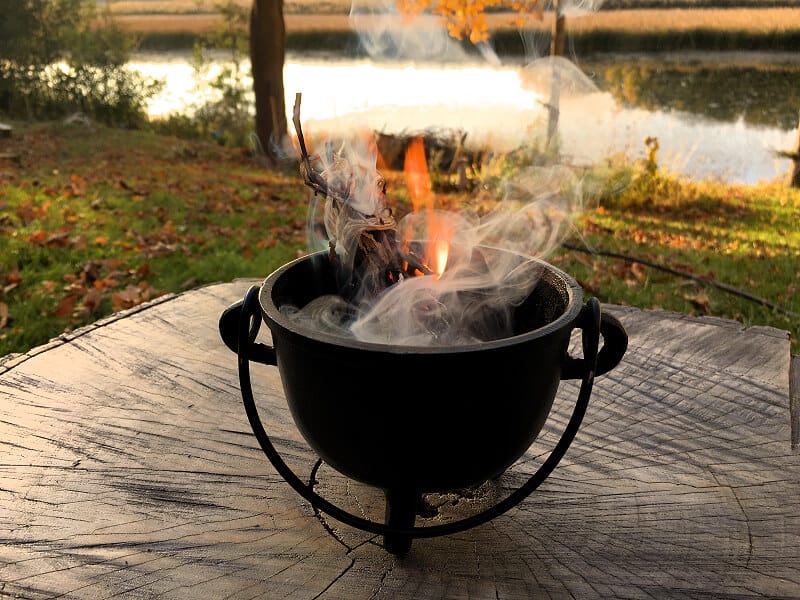
2) Burning Release Ritual – Burn herbs, bay leaves, or words of things you want to release written on paper. See our burning ritual.

3) Fire-Related Oracle Deck – On sunny (fire) days, Tracy and I draw an animal-themed oracle card. Our favorite deck is the Spirit Of The Animals Oracle by Jody Bergsma.

Journal Prompts:

  • What is most important in my life?  What do I value the most?
  • Where do I need to step up and take a leadership role in my life/business/career?
  • Am I spending time each day doing what I am passionate about? 

๐Ÿœ„ – Water – Rain/Snow

On days when it rains or snows, we honor the element of Water.

Keywords: Emotions, feelings, empathy, reflection.

Weather:  Rain, snow.

Season: Autumn.

Alter/Candle Colors:  Blue, white.

Direction: West.

Water Crystals: 

  • Amazonite: Alignment, balance, calm.  Acceptance of yourself and your truth.
  • Aquamarine: Trust, letting go, embracing the truth.
  • Green Calcite:  Calm, taming anxiety/worry.
  • Lapis Lazuli: Wisdom, intellect, strength.  Overcoming obstacles.
  • Moonstone:  Inner growth, intentions, emotions, reflection.  A good stone to use for moon work.
  • Turquoise:  Power, wisdom, protection.
  • Rose Quartz:  Love (both romantic and self-love.)
  • Obsidian: Stability, grounding, focus. Quartz:  Clear quarts represents clarity and intention.

Water Herbs: 

  • Echinacea: Healing, protection, consciousness.
  • Burdock: Grounding, protection, purification.
  • Catnip: Affection, companionship, fresh outlook.
  • Peppermint: Invigorate, energize, refresh.
  • Chamomile: Calm, soothe, sleep, stability.
  • Valerian: Acceptance, relax, let go.
  • Rose: Love, passion, sex, joy.

Water Rituals: 

  • Honoring Water – Leave a bowl of of water on your altar.
  • Ritual Drink – Mindfully drink a small cup of water during your morning ritual, or brew a tea using water herbs like chamomile or echinacea.
  • Water-Themed Oracle Deck – Draw a card from your favorite water-themed oracle or tarot deck. Tracy and I pull a card from the Saltwater Reading Cards by Laura Bowen.

Journal Prompts:

  • Check in with your dominant emotions/feelings.  Where do you need to restore balance?
  • Water can sometimes act as a mirror.  Take some time to reflect on where your dominant feelings/attitude is reflected back to you in your life/circumstances/people/etc…  How might shifting your attitude or the way you feel about things change your outer world?
  • How can you use empathy to forgive and release?
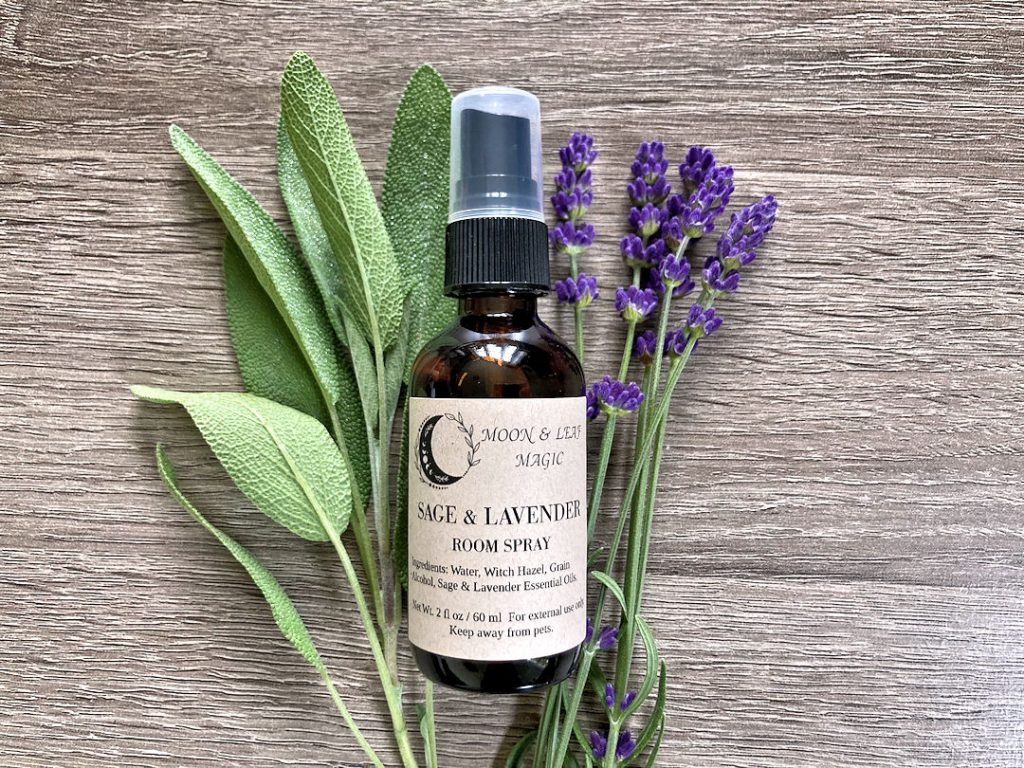
Sage & Lavender Room Spray - Our Most Popular Blend

Work with the element of water!

Room sprays are great for water rituals.

Room sprays can be used as a smokeless “smudge” to cleanse your home and sacred space.


Additional Notes About Working With The Elements

Directions: The directional correspondences for each element is traditional. Feel free to change these if it makes sense to do so.

For example, if you live on a lake that is east of you, you may want to associate water with the east, instead of the west.

Working With Crystals: You can work with crystals by meditating with them, carrying them with you or wearing them, and placing them out on your altar.

Working With Herbs: You can work with herbs by using them in smudge sticks or burning them, drinking tea, placing them on your altar, growing them, diffusing their essential oils, or using them in body care products.

Varying Weather or Unknown Weather: Feel free to check a weather app it is dark and you can’t see out the window to tell what the actual weather is.

Also, if the day call for rain and sunshine, or wind and sun, simply pick the dominant element that you feel most drawn to, or simply honor both for that day.
The Magic Of Mugwort: How To Use Mugwort In Your Magical Workings

Posted on March 8, 2022October 9, 2026 By Davy Russell No Comments on The Magic Of Mugwort: How To Use Mugwort In Your Magical Workings
The Magic Of Mugwort:  How To Use Mugwort In Your Magical Workings
Nature & Practices

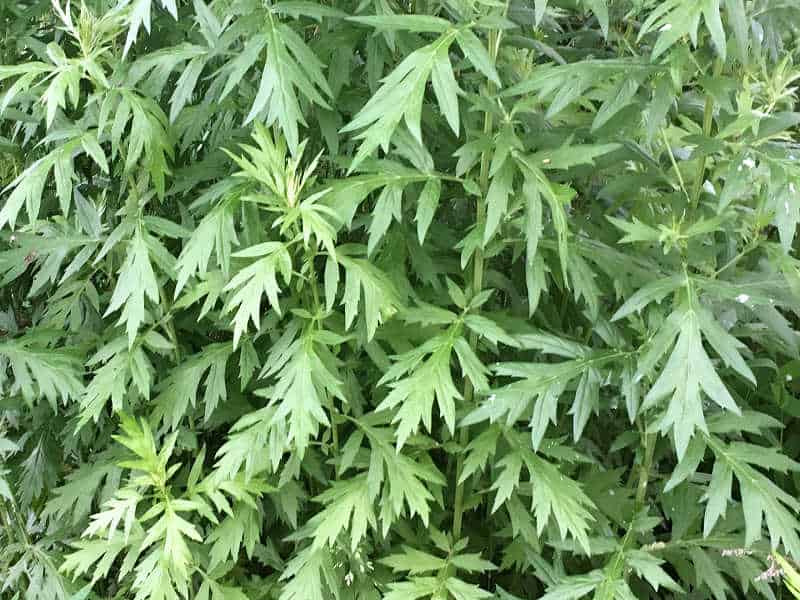
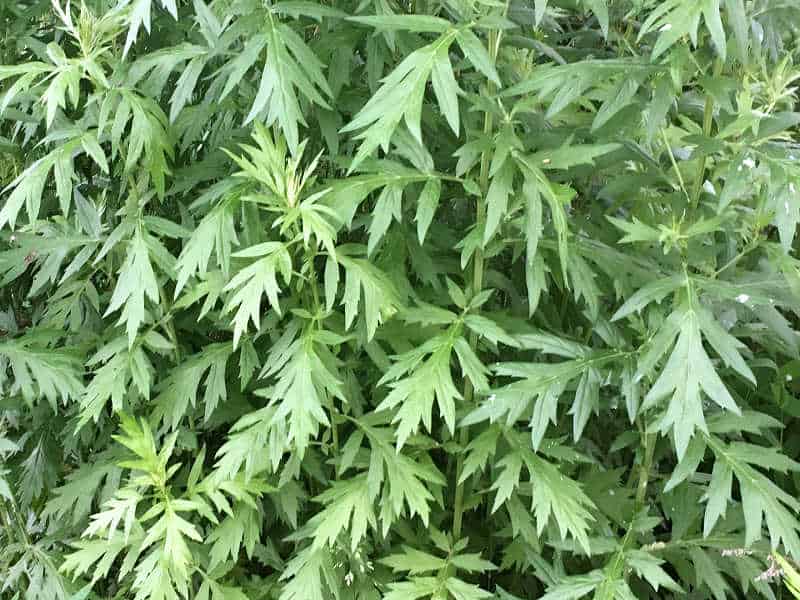
My introduction to mugwort (Artemisia vulgaris) happened in the back yard of my first house. It grew in a giant clump, towering about as tall as I am, with its silver-green leaves creating quite a show on a sunny, breezy August afternoon.

While it looked like a weed, the sweet, herbaceous fragrance kept me from pulling it out of the garden bed immediately. I didn’t know what it was, but I enjoyed the fragrance.

The following spring, I ripped most of it out to plant something “prettier”. (I still shudder at my own ignorance then!)

That was before my interest in herbalism and magic took off, and fortunately for me, mugwort is tenacious. Once it’s planted, it will be in that spot forever.

Meet Mugwort

Mugwort is a flowering plant in the Artemisia genus, a member of the daisy family Asteraceae.

There are quite a few species of mugwort, but the one that grows in my garden is Common Mugwort (Artemisia vulgaris). It is related to, but not the same plant as, Artemisia absinthium, the species of mugwort traditionally used to make Absinthe.

Typically growing 4-6 feet tall, common mugwort flowers in the late summer with clusters of tiny whiteish flowers with hints of dark red.

The leaves are dark green on top, with whitish hairs on the underside giving it a silvery appearance on the backside of the leaf.

Common mugwort typically grows in clumps that spread out through underground rhizomes – which can make in a noxious weed if it’s growing near or in a cultivated garden.

Both the leaves and flowers have a sweet, herbaceous aroma that I enjoy.

Common mugwort is know by many different names including chrysanthemum weed, wild wormwood, riverside wormwood, sailor’s tobacco, felon herb, and St. John’s Plant (not to be confused with St. Johns Wort.)

Magical Properties & Associations

Mugwort is typically associated with dreaming, divination, and protection.

Lucid Dreaming: Mugwort is said to promote vivid dreams, or even lucid dreaming.

Divination & Intuition: Mugwort is said to boost psychic and intuitive abilities, and is recommended before and during working with tarot, oracle cards, runes, or other divinatory practices.

Protection: Mugwort has had a long association with protection as it was used medicinally for a variety of ailments. It was used by Medieval Christians, who called it St. Johns Plant, to protect against evil, provide safety during travel, and promote good luck.

The Moon & Lunar Magick: Mugwort is associated with the moon and is often used in moon magic and working with the lunar phases.

Mugwort likely gets its association with the moon due to its use in dream work and divination, and the silvery leaves suggest moonlight.

Astrological Associations: I generally associate Mugwort with the sign of Virgo. The genus, Artemisia, is named after the Greek goddess Artemis, who was often portrayed as a virgin.

I also work with mugwort during Libra and Scorpio season – particular during the new moon in Libra and new moon in Scorpio.

Wheel Of The Year: I often harvest mugwort from my garden between Lughnasadh (August 2) and Mabon (the Autumn Equinox).

Due to mugwort’s association with dreams, divination, intuition, and protection, it is well suited for crafting with during Samhain.

The Crone: Some magical practitioners refer to mugwort as Crone’s Wort. The silver-gray undersides of the leaves and the fact that it blooms late in the season, to some, suggest this plant corresponds with the crone aspect of the goddess.

How To Work With Mugwort

There are many ways to use mugwort.

I will not get into the medical uses for mugwort as this article is more focused on the magical uses.

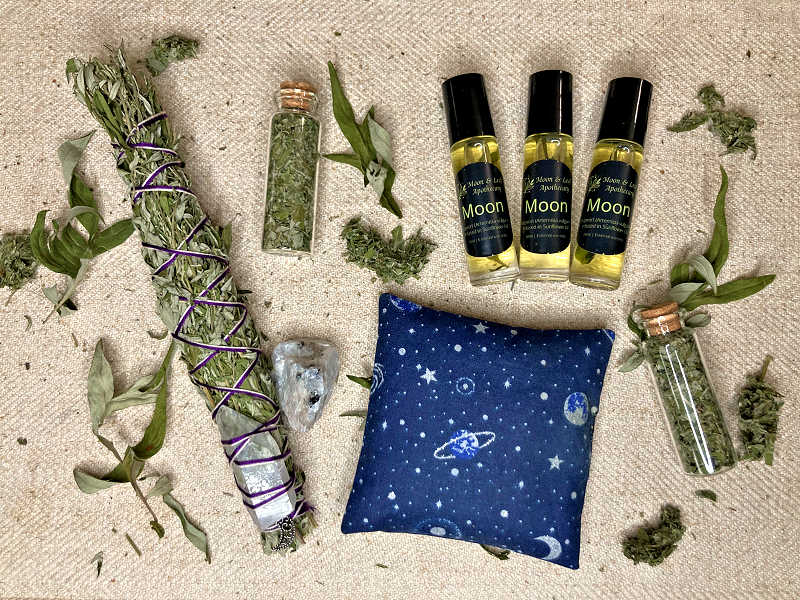
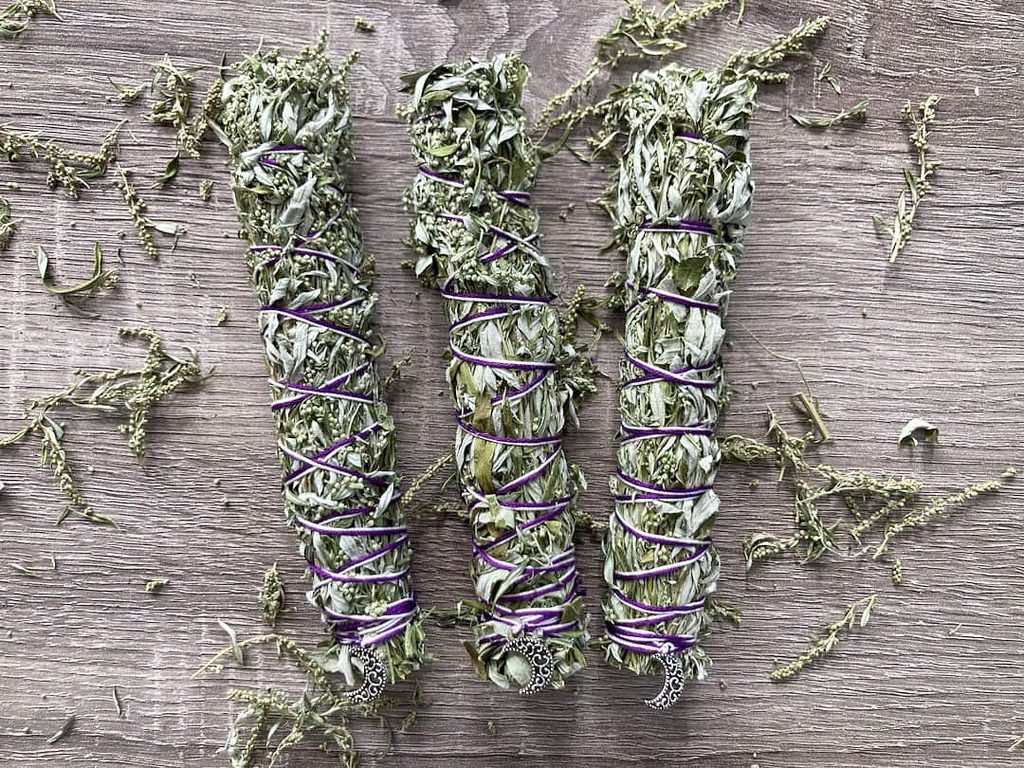
Smoke Cleansing & Incense: Mugwort can be used for smoke cleansing, and is a much more eco-friendly and sustainable alternative to white sage (Salvia apiana).

Mugwort can be dried and bundled into smoke wands (aka “smudge sticks”), or combined with other smoke cleansing herbs like lavender and sage.

A smoke cleansing wand made with mugwort is perfect to purify and sanctify a ritual space before any magical working. Use mugwort smoke during moon rituals, or to cleanse/purify divinatory tools like tarot/oracle decks, etc…

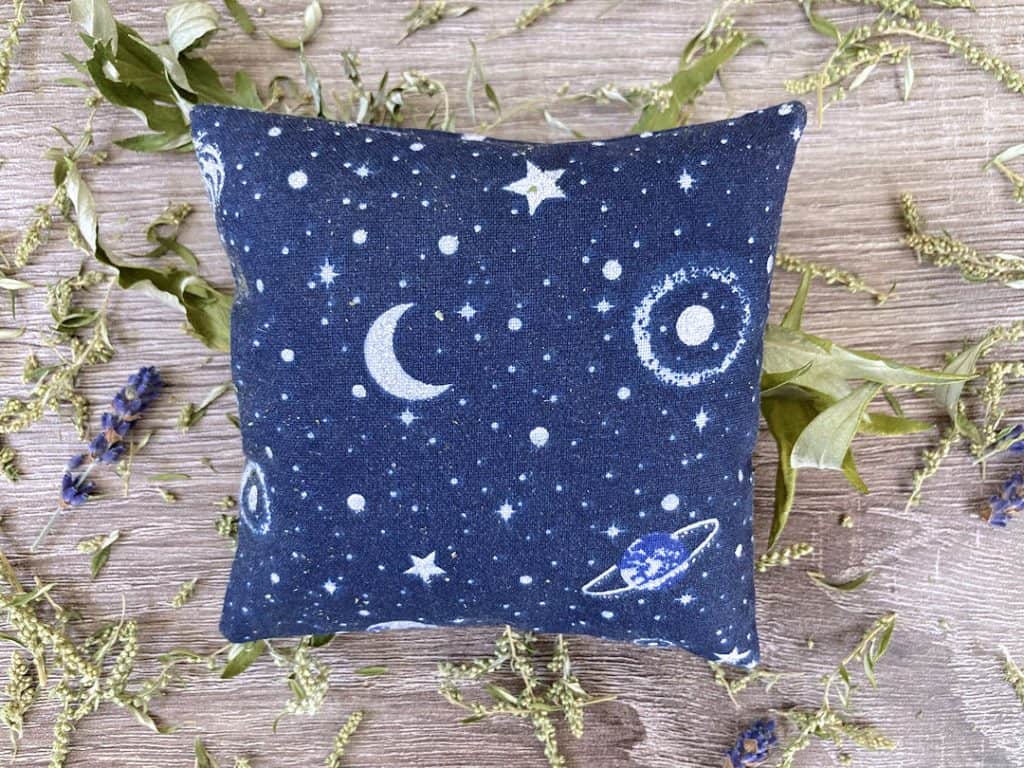
Dream Pillows & Sachets: A popular way to use mugwort is to stuff a small pillow or sachet with dried mugwort leaves and flower buds.

Typically called a “dream pillow”, place the mugwort pillow beneath your regular pillow when you sleep to promote lucid dreaming and gain insight from your dreams.

Keep a dream diary on your nightstand so that you can immediately record your dreams when you wake up, and then reflect on them throughout the day.

Mugwort Oil: Infused oils can be made using dried mugwort. Dab some on your third eye before working with tarot or oracle cards. Roll some on before bed to promote dreaming.

Wands: Mugwort grows thick, woody stems that make a nice wand. Cast a circle before bed, or use it to direct energy during moon spells.

Kindling: Mugwort stems can also be gathered, dried, and used for kindling for a Samhain bonfire, or anytime you want to add a little magick to your fire.

Charms & Spells: Mugwort is perfect to use for any spells or magical workings related to new moon intentions, protection, dreams, divination, or intuition.

Dried mugwort can be used in spell jars, included in sachets, or tied with crystals/charms and hung in your home wherever a little protection and/or magic is needed.

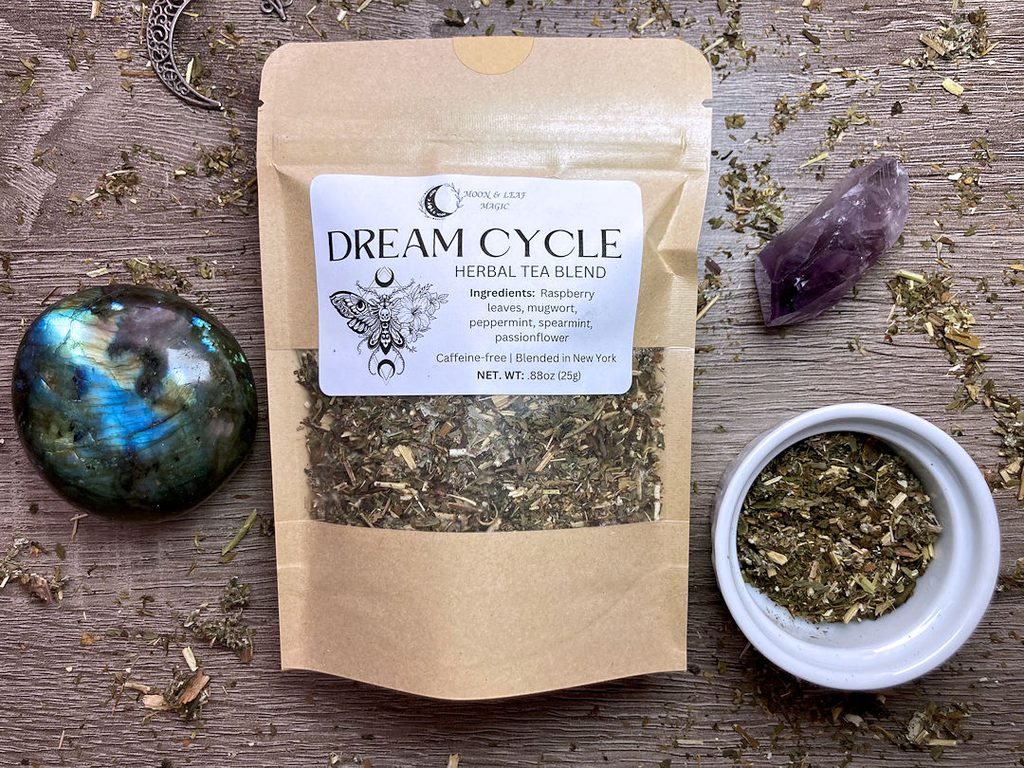
Tea: Mugwort can be brewed as a tea, and it’s available commercially as well (Moon & Leaf Magic’s Dream Cycle herbal tea blend contains mugwort.)

Mugwort can be a little bitter on its own, so I like to blend it with other herbs like peppermint and spearmint, which hides the bitterness and makes this tea quite pleasant to drink.

Smoking: Mugwort can be smoked, or added to herbal smoking blends. This is said to promote relaxation and the vivid dreams that mugwort can induce. Mugwort is not a psychedelic, and won’t get you high.

Crystal Pairings: Black tourmaline, moonstone, selenite, satin spar, amethyst, clear quartz, smoky quartz, and labradorite are all crystals that I work with when also working with mugwort.

Precautions For Using Mugwort

Mugwort is often added to teas, and can be used topically (in poultices, salves, infused oils).

Mugwort is used culinarily, and in traditional medicine. It’s also used in teas. Normal amounts of mugwort (like in teas) are typically fine. Mugwort does contains thujone, which has low toxicity to humans but can become problematic (like any herb) if it is used to excess.

People who are pregnant or nursing should avoid mugwort and mugwort-containing products.

As with all herbs, do your research before using. Certain herbs can cause allergic reactions in sensitive individuals. They can exacerbate existing medical conditions, or interfere with medications you take. So it’s important that you read up on it and take into consideration any health issues, sensitivities, allergies, and medications you take before taking any new herb.

When harvesting mugwort for culinary use, be sure that your mugwort is sourced from an area that is not contaminated by pesticides or industrial pollutants. Mugwort is often found in waste places and disturbed ground, so just be aware of potential contaminants in the soil.

Mugwort pollen is a main source of hay fever and allergic asthma. I am very allergic to mugwort pollen, but I find that if I am careful to harvest it before the flowers open (which is recommended), I can craft with it just fine.

Mugwort In The Garden

Mugwort grows just about anywhere, and is often found in parks, roadsides, stream and riverbanks, and other disturbed areas.

Mugwort is not native to North America, but has naturalized here. Because it can take over and outcompete native plants, I do not recommend planting it in or near natural areas.

It can be a serious pest in the garden, tenaciously spreading through underground rhizomes making it nearly impossible to get rid of once it takes root. It can propagate from root fragments, and spreads each year, forming a larger and broader clump.

Mugwort likes to grow in full sun, but will tolerate partial shade. It doesn’t require any special care and has few insect pests.

I have a patch that grows in my yard and I simply let it do its thing and it grows six feet tall!

Harvest just before the flower buds open. For me, that is the last week of August – first week of September in my zone 5 upstate New York garden.

Recent Posts

  • New Moon In Libra
  • The Ultimate Guide To Working With Moon Phases
  • Honoring The Four Elements: Earth, Air, Fire, Water
  • The Wheel Of The Year
  • Beltane: How We Celebrate & Simple Rituals

Recent Comments

  1. Davy Russell on Celebrating Yule – The Winter Solstice
  2. Terez on Celebrating Yule – The Winter Solstice
  3. Ashley on The Ultimate Guide To Working With Moon Phases
  4. Alex on The Ultimate Guide To Working With Moon Phases

Archives

  • October 2026
  • February 2024
  • January 2024
  • December 2023
  • April 2023
  • October 2022
  • August 2022
  • July 2022
  • March 2022
  • January 2022
  • November 2021
  • June 2021
  • April 2020

Categories

  • Divination
  • Nature & Practices

Copyright © 2026 Catskills Hearth.

Theme: Oceanly Green by ScriptsTown