Skip to content

Catskills Hearth

  • Home
  • Nature & Practices
    • Nature
    • Wheel of the year
    • Elements
  • Creative Corner
    • Art
    • Poetry
    • Songs
  • Divination
    • Tarot
    • Moon Phases
    • Ogham
  • About
  • Home
  • Wheel of the year

Tag: Wheel of the year

The Wheel Of The Year

Posted on December 20, 2023October 8, 2026 By Davy Russell No Comments on The Wheel Of The Year
The Wheel Of The Year
Nature & Practices

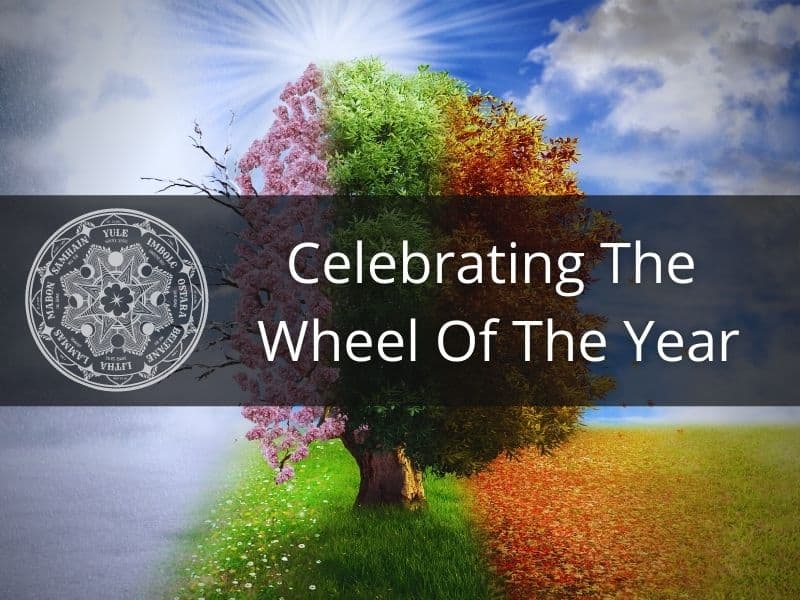
In modern paganism, the Wheel of the Year is an annual cycle that includes eight holidays (or sabbats) that occur in roughly 6-week intervals.

They include the four solar (quarter) days of the winter and summer solstices, as well as the spring and autumn equinoxes.

Four “cross-quarter” days fall between the solar holidays and include Imbolc, Beltane, Lughnasadh, and Samhain.

The modern, pagan Wheel of the Year draws inspiration from ancient Celtic, Germanic, and Norse holidays. However, it is essentially a modern creation that is popular in Wiccan, as well as an eclectic array of modern pagan paths.

That being said, the modern Wheel of the Year offers a wonderful framework for connecting to the seasons, providing regular points throughout the year to check in and harmonize with the rhythms and cycles of the seasons and land around you.

NOTE: This article provides a brief overview of all eight holidays of the Wheel of the Year. Click the links for more on each holiday, including a deeper dive into the themes, sample rituals, and correspondences for each one.

When Does The Wheel Of The Year Begin?

If you are new to following the Wheel of the Year, it is not necessary to wait until the official start to the year. Jump in whenever! The very first holiday I celebrated was Mabon, and I sometimes refer to Mabon as my “paganniversary.”

As for when the “official” start of the Wheel of the Year begins, that’s really up to you.

Traditionally, either Yule (The Winter Solstice) or Samhain (ie: Witches New Year) begin the annual cycle. Choose whichever one makes the most sense to you, and that feels right.

For me, Yule is the start of the new year. It fits with the “birth of the sun” as it begins a new solar cycle. Yule corresponds to the new moon in a lunar cycle, a period of rebirth and beginnings.

The winter solstice also occurs close to the calendar New Year, as well as the New Moon in Capricorn – a new moon associated with setting intentions for the year and creating long-term goals.

Here is a brief summary of each of the holidays on the Wheel of the Year, with links for more info and ritual ideas.

Dates vs. Seasons

In the article below, I’ve included dates for each holiday on the Wheel of the Year for both Northern and Southern hemispheres.

However, you do not need to stress about celebrating festivals ON the actual day (or even at the exact time they are supposed to occur (ie: the exact moment of the winter solstice, for instance).

Instead, I encourage you to think of each spoke on the Wheel as the beginning (or high-point) of a season.

It’s okay if you are busy or can’t make a big deal on the typical or traditional day of a holiday. Observe it in your own way on or around the time of the holiday. Think of it as a season and not just one day (and something you might miss).

Okay, let’s begin our tour around the Wheel of the Year. Let’s begin at Yule…

Yule – The Winter Solstice
The spiritual year begins for me at the Winter Solstice – the first day of Yule.

The modern Druid name for this holiday is Alban Arthan.

Dates

Northern Hemisphere: Typically observed between December 19-21, on the day of the winter solstice.

Southern Hemisphere: Typically observed between June 19-21.

The winter solstice marks the shortest day of the year and the longest night. It is the beginning of a new solar cycle in the Northern Hemisphere. After this date, the daylight hours will begin to increase.

Yule begins at the winter solstice and continues on for 12 days – usually through New Years Day on January 1 (in the northern hemisphere).

I often extend the Yule season through the New Moon in Capricorn if it occurs after January 1.

General Meanings and Themes

Yule is a time to set intentions for the coming year.

Corresponding to the new moon phase, the solstice is a time of quiet reflection, joyful gathering, and aligning your energy with the rising sun, ushering in new beginnings and fresh starts.

How to Celebrate

Yule shares many of the same holiday activities and traditions that Christmas does (the latter holiday borrowing heavily from the former when pagan Europe was Christianized during Roman times.)

Click here for a deep-dive into celebrating Yule and the winter solstice, with ritual ideas and correspondences.


Imbolc
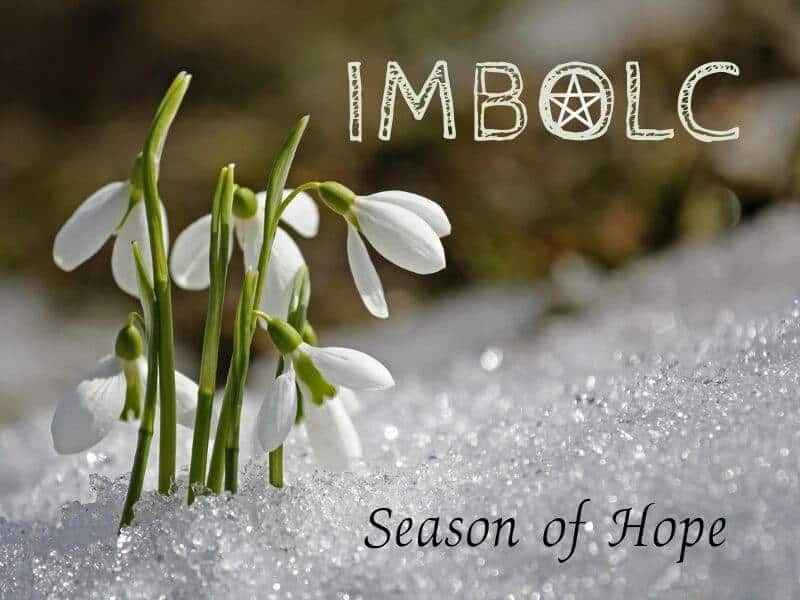
Imbolc marks the beginning of spring. By this date, the daylight hours become perceptibly longer and we anticipate the arrival of spring and new energy/growth.

Dates

Northern Hemisphere: February 2 (traditionally celebrated from sundown on Feb. 1 through sundown on Feb. 2.

Southern Hemisphere: August 1.

General Meanings and Themes

Imbolc represents hope and light returning to the world after the dark of winter.

Those living in southern latitudes may already see the first signs of spring while those of us further north will have to wait patiently until Ostara or Beltane before it begins to feel like spring.

While this holiday may not feel like the beginning of spring for many of us, it’s a time to put our Winter Solstice intentions to action. Spring clean, create action steps, and put some energy into your wishes and desires.

How to Celebrate.

Imbolc is a pretty low-key holiday for Tracy and I. Light candles to welcome the waxing sunlight.

Refresh your altar and your home to release stagnant energy and get it flowing again.

Imbolc is a time to gently ease yourself out of hibernation and awaken to new possibilities and hope.

Click here for a deep-dive into celebrating Imbolc, with ritual ideas and correspondences.


Ostara: The Spring Equinox
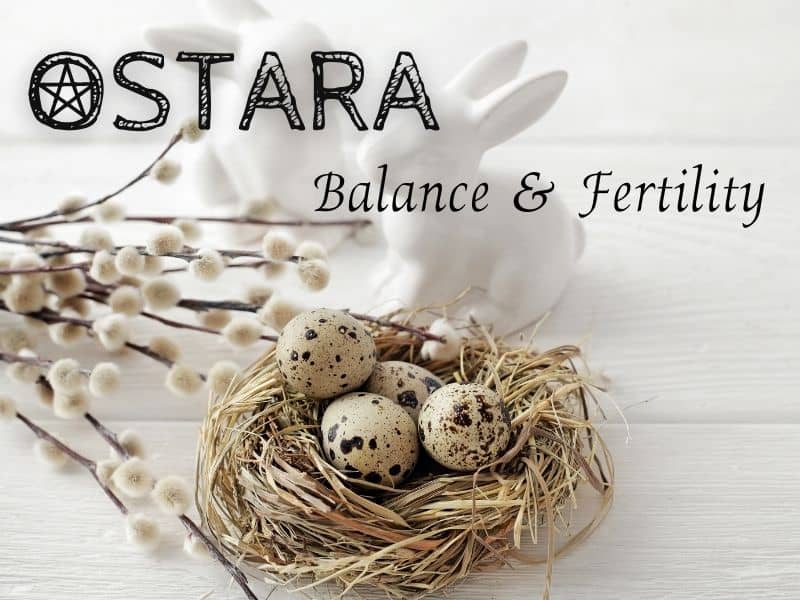
Ostara is the Spring Equinox, a time of balance, and the start of the “light half of the year” where there are more hours of daylight than darkness.

The modern Druid name for this holiday is Alban Elir.

Dates

Northern Hemisphere: Typically between March 19-22, on the day of the Spring Equinox.

Southern Hemisphere: Typically between September 19-23.

General Meanings and Themes

Ostara represents balance, but also rebirth, renewal, and nurturing of new life.

This is the date when spring feels like it has finally arrived as the first flowers of spring push up through the ground even with snow clinging on nearby.

There is a shift in activity as migratory birds arrive, and the balance tips away from winter and toward the rush of new growth and energy of spring.

How to Celebrate

Ostara shares many of the same customs as Easter. We paint eggs, and decorate with fertility symbols like rabbits/hares, birds/nests/eggs, and plant seeds (or put potted spring flowers like daffodils, tulips, or hyacinth on our altar.)

Ostara is the time to nurture your intentions and desires, and “fertilize” them with action steps.

Click here for a deep-dive into celebrating Ostara, with ritual ideas and correspondences.


Beltane
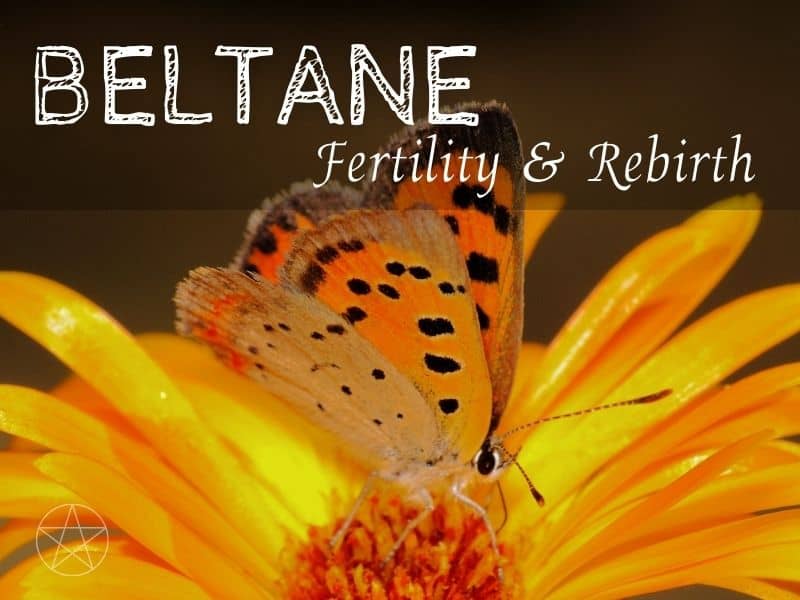
Beltane marks the beginning of summer, or (in my neck of the woods) high-spring.

Dates

Northern Hemisphere: May 1.

Southern Hemisphere: October 31.

Personally, I include Earth Day (April 22) and Arbor Day (April 28) in the “Beltane Season” as these two holidays remind us to reflect on our impact on the Earth and environment, and do our part to protect our planet.

General Meanings and Themes

Beltane is traditionally associated with fertility and abundance.

It is by this date that our yard is filled with baby geese grazing on fresh grass while their parents watch warily nearby. Birds are actively feeding young, and the evenings are filled with the chorus of frogs serenading their mates.

The theme of Beltane doesn’t need to be dominated by the theme of literal human or animal fertility. I like to reflect on the fertility of ideas or actions, and how tiny changes lead to incremental growth over time.

How to Celebrate

Traditional celebrations for Beltane include dancing around a Maypole, and lighting a huge bonfire.

I am usually at peak activity for preparing my garden. I’m nurturing the seedlings I planted weeks earlier, tending to them in my greenhouse while keeping a watchful eye out on potential frosts. At this point, I am two weeks from being able to plant things in the ground.

Garden and yard cleanup are great activities this time of year. Challenge yourself to “green up” a nearby trail, park, or your own street.

Click here for a deep-dive into celebrating Beltane, with ritual ideas and correspondences.


Litha: The Summer Solstice
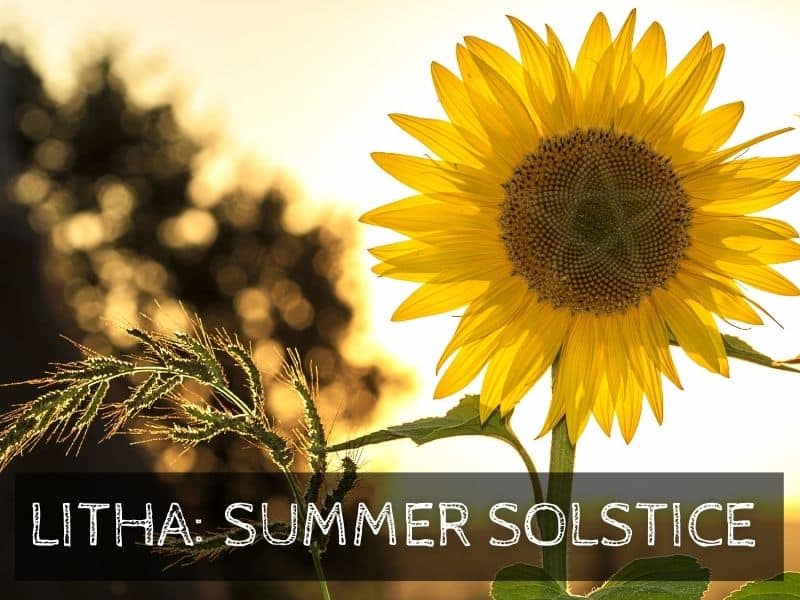
Litha is the summer solstice, and marks the beginning of summer, or for some, Midsummer.

The modern Druid name for this holiday is Alban Hefin.

Dates

Northern Hemisphere: Typically celebrated between June 19-22, on the day of the Summer Solstice.

Southern Hemisphere: Typically celebrated between December 19-22.

General Meanings and Themes

The summer solstice represents abundance, celebration, and gratitude.

The daylight is longest at this point of the year. It’s a time to indulge and soak of the pleasure of all that summertime offers.

How to Celebrate

Bask in the glory, warmth, and light of summer. This is a season of play, so do something fun.

Visit a local swimming hole. Have a fire to honor the sun and all that it makes possible for us, as we cannot live without it. Surround yourself in wildflowers and just take in the sight of busy pollinators, birds, and other creatures that are active during high summer.

Click here for a deep-dive into celebrating Litha, with ritual ideas and correspondences.


Lughnasadh (aka: Lammas)
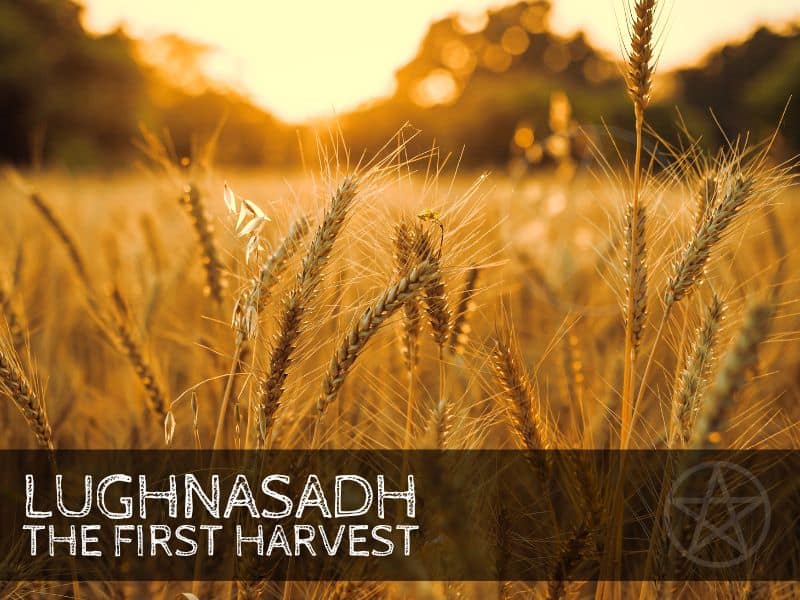
Lughnasadh is the first of three harvest festivals, with Mabon and Samhain being the other two. Lughnasadh is sometimes referred to as the “grain harvest”.

Another name for Lughnasadh is Lammas.

Dates

Northern Hemisphere: August 1.

Southern Hemisphere: February 2.

General Meanings and Themes

Lughnasadh represents the grain harvest, and so it is a festival of thanksgiving and welcoming abundance.

This is a time to evaluate what can be harvested now, and what needs pruning or nurturing to facilitate continued growth through the remainder of the harvest season.

How to Celebrate

Bake bread, or at the very least, buy a loaf of bread (or bread products) from a local baker and share the abundance with friends and families at a thanksgiving meal.

Friendly competition is encouraged at this time, so host a cookout or picnic where you can test your skills amongst your friends.

Walking up a hill or mountain to survey the surrounding lands is also a traditional activity at this time of year.

Click here for a deep-dive into celebrating Lughnasadh, with ritual ideas and correspondences.


Mabon: The Autumn Equinox

Mabon marks the beginning of autumn and is essentially a thanksgiving celebration and harvest festival.

The modern Druid name for this holiday is Alban Elfed.

As the balance between day and night tip toward night, Mabon begins the dark half of the year (from now through Ostara).

Dates

Northern Hemisphere: Typically celebrated between September 19-22, on the day of the Autumn Equinox.

Southern Hemisphere: Typically celebrated between March 19-22.

General Meanings and Themes

Mabon is a harvest festival that emphasizes gratitude, giving thanks, honoring the land (and sources of abundance in your life), while sharing this abundance with friends and family (typically with a feast or the sharing of your bountiful harvest.)

How to Celebrate

We celebrate Mabon (and the Mabon season) with typical autumn activities. We visit corn mazes, pick apples and pumpkins, enjoy apple cider, and bake apple pies.

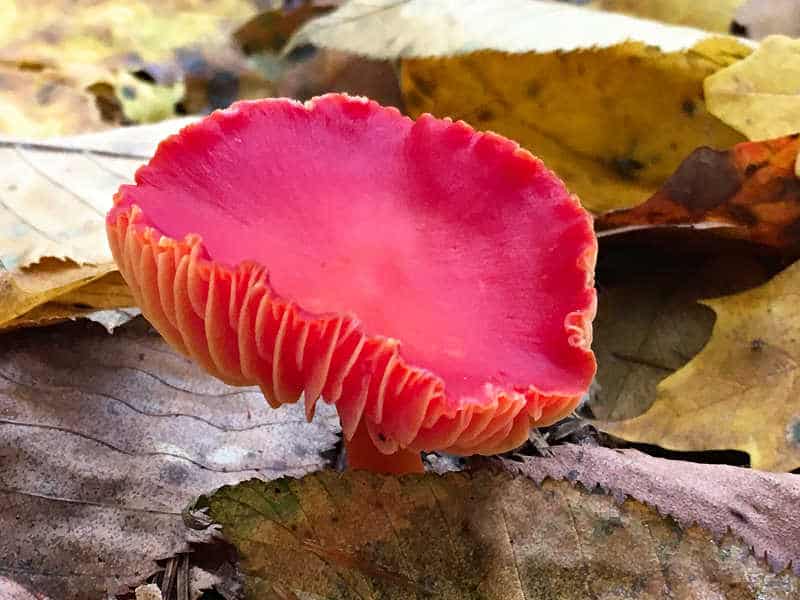
There is nothing like walking through the woods as the trees change color and begin shedding their leaves. I absolutely love looking at the beautiful variety of mushrooms in the woods this time of year.

Click here for a deep-dive into celebrating Mabon, with ritual ideas and correspondences.


Samhain
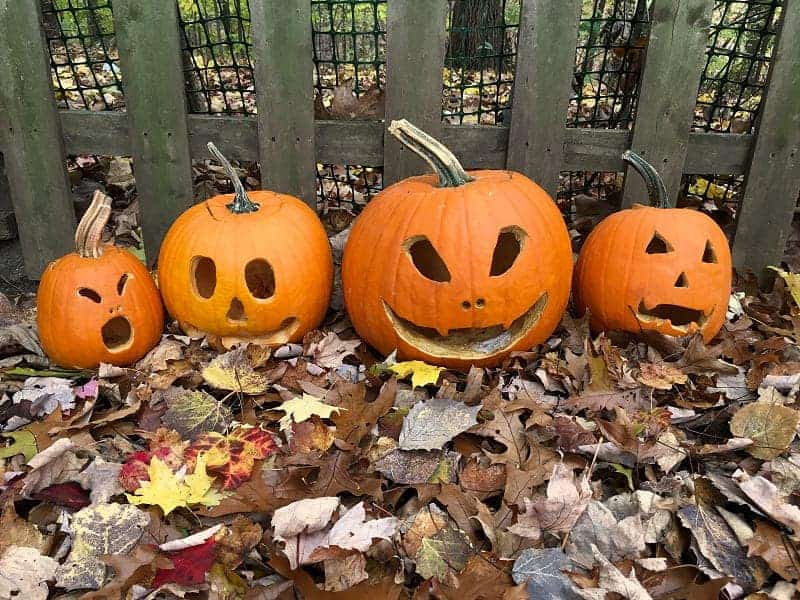
Samhain is the last of the harvest festivals, and typically marks the beginning of the winter season.

Dates

Northern Hemisphere: October 31.

Southern Hemisphere: May 1.

General Meanings and Themes

Samhain is the final harvest festival and with the final harvest, it is also a time associated with honoring those who have passed on.

Themes of death, afterlife, spirits and ancestors are ingrained in Samhain celebrations.

How to Celebrate

Tracy and I add photos of loved ones who have passed (as well as our ancestors, or representations of our ancestors) on our altar at this time of year. We reflect on their lives and our ancestral lineage.

We continue many of the same autumn activities that we do for Mabon – baking, corn mazes, etc…but add in the scary (and fun) parts of the season – visiting haunted houses, listening (and telling) ghost stories around the fire, and of course, taking our kiddo trick-or-treating.

Carving jack-o-lanterns is an annual tradition.

As it is the final harvest, we collect the last of what we can from our garden before putting it to bed for the winter.

Click here for a deep-dive into celebrating Samhain, with ritual ideas and correspondences.


Adjusting The Wheel Of The Year To Fit Your Location/Practice

The Wheel of the Year is a new creation born out of the modern pagan movement. While it incorporates some ancient Celtic, Nordic, and Germanic festivities, there is no evidence that any ancient culture observed all eight sabbats on the modern Wheel of the Year.

With that being said, the Wheel follows an agricultural calendar cycle centered in the UK, and based on a UK climate. Because of this, it may or may not line up with what is going on outdoors in your location.

For example, Imbolc often marks the start of spring, but in Upstate New York where we live, the first signs of spring come between Ostara and Beltane. Imbolc is still very much deep, mid-winter for us.

Feel free to adapt the holidays to fit your practice, beliefs, and location. The Wheel of the Year is NOT “law” or doctrine, so feel free to:

  • Adjust dates or meanings to fit what is actually happening in the landscape around you at that time of year.
  • Change the names as you see fit (ie: you don’t have to call it “Mabon” or “Ostara” or “Lughnasadh” if you don’t follow or resonate with Celtic/Germanic deities. Name the holiday something that resonates with you.
  • Ignore agricultural associations. If that helps you connect to the land around you, great. If it doesn’t resonate, then find your own meanings for the holidays.
  • Skip holidays that don’t resonate with you. Some pagans stick with the soltices and equinoxes. Others put more effort into holidays that line up with the over-culture (ie: Christmas – Yule and Halloween – Samhain, but not so much Beltane and Lughnasadh since there are no equivalent modern holidays that mark this time of year.
  • Like I said, the Wheel is not a spiritual “to-do list.”

The purpose of the Wheel of the Year isn’t to give you some religious to-dos, or a rigid structure that you must conform to.

Instead, its purpose is to inspire and encourage you to tune into the natural cycles of the Earth, and connect to nature on a regular basis.

Further Reading – Our Favorite Wheel Of The Year Books & Resources

Lewellyn’s Wheel of the Year Almanac – I order this every year when it is released (usually by mid-summer). Each book features articles, rituals, cosmic happenings, and recipes for each sabbat beginning with Samhain.

Wild Wisdom Companion: A Guided Journey into the Mystical Rhythms of the Natural World, Season by Season – Maia Toll’s enchanted guide to the seasons of the year offers plenty of opportunities to reflect and deeply connect with the lessons in the cycles and rhythms of nature.

The Spirited Kitchen: Recipes and Rituals for the Wheel of the Year – A nice collection of recipes and ideas to help you release your inner kitchen witch through each season.

Spinning in Place: A Secular Humanist Embraces the Neo-Pagan Wheel of the Year – This book was my introduction to the Wheel of the Year from a humanist perspective.

Click here for more of a Druid perspective on the Wheel of the Year (from the Order of Bards, Ovates, and Druids (OBOD).

Naturally Curious: A Photographic Field Guide and Month-By-Month Journey Through the Fields, Woods, and Marshes of New England as well as Naturally Curious Day by Day are excellent resources for learning about what nature is up to all around you each month of the year. While focused on New England, this book is quite relevant for much of the Northeast and into the Midwest USA.
Beltane: How We Celebrate & Simple Rituals

Posted on April 4, 2023October 8, 2026 By Davy Russell No Comments on Beltane: How We Celebrate & Simple Rituals
Beltane: How We Celebrate & Simple Rituals
Nature & Practices

Date: May 1

Trees have flowered, and some show leaves. Flowers spring up from the ground in abundance.

The songs of migratory birds fill the chilly morning air.

The Earth is fertile and ready for the growing season to begin.

The Wheel turns and we arrive at Beltane.

What Beltane Represents

Beltane is a cross-quarter day celebrated between the Ostara (the Spring Equinox), and Litha (the Summer Solstice).

Beltane is traditionally celebrated on or around May 1, at the peak of spring. However, the astrological point of Beltane – when the sun is 15 degrees Taurus – may occur several days after May 1st.

Overall, the themes of Beltane are fertility, new life, and anticipation of the coming summer.

Keywords: Fertility, new life, fresh starts.

Beltane Correspondences

Moon Phase: Beltane corresponds to the Waxing Gibbous Moon, a time of refinement and celebration.

It also represents fertility and incubation of new life (or ideas).

Colors: Green, yellow, light blue (springtime colors), as well as pink, red, and white.

Crystals/Stones: Rose quartz, carnelian, orange calcite, emerald, moonstone, sapphire, malachite, and amber.

Herbs: Sage, mugwort, birch, honeysuckle, rosemary, lemon balm, dandelion, and lavender.

Incense/Essential Oils: Sage, mugwort, lavender, frankincense, jasmine, and lilac.

Other Magical Earth Items: Maypole, spring flowers, potted plants, ribbons, eggs, strawberries, cauldron.

Beltane Rituals: How To Celebrate Beltane

Here are a few ways we celebrate Beltane:

Sprucing Up The Garden

Beltane is a great time to clean up your garden to prepare it for the upcoming growing season.

Rake out any leaves and debris. Cut back any old brush from last year.

Take note of which perennials are coming up, and which need to be moved or divided.

You can also bless your garden at this time by smoke cleansing it, burying crystals along the perimeter, or using the four elements (earth, air, fire, water) to consecrate it for the upcoming growing cycle.

When planning or adding to your garden this year, consider planting some native, pollinator-friendly perennials, trees, and shrubs

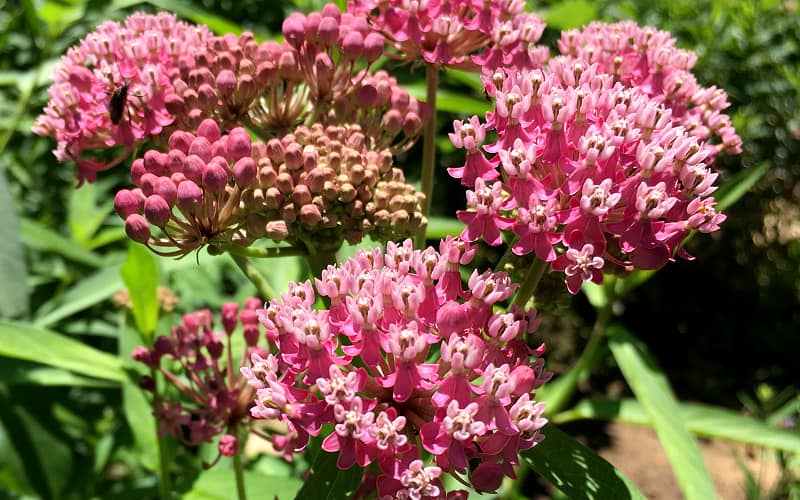
Swamp milkweed is a wonderful pollinator plant for your garden.

Create A Beltane Altar

Our Beltane altar doesn’t change that much from our Ostara altar. Potted plants like herbs, daffodils, hyacinth, tulips, or primrose are the focal point. Cut flowers in a vase is fine, too!

Much of the symbolism of Ostara spills over into Beltane as well, so we leave the colored eggs.

As symbols of fertility, figurines or pictures of rabbits, ducks, songbirds, bees, or other “spring” animals can help you celebrate the business and activity of spring.

Celebrate Fertility In All Its Forms

Beltane is a time to celebrate fertility, and while this traditionally meant human fertility, this does not have to be a theme of Beltane.

To be honest, I don’t resonate much with the god/goddess or male/female symbolism of Beltane, and prefer to take a more inclusive, gender-neutral approach to the holiday (and my witchcraft practice in general.)

Fertility doesn’t just have to be about human or animal reproduction.

Beltane can be a time to celebrate the fertility of ideas, intention, or possibility.

Just as seeds are often sowed this time of year, so too, can you reflect on the proverbial seeds that you have sown.

Connect with your intentions once more – whether they are your new moon intentions, or the intentions you set for the year ahead at Yule or during the new moon in Capricorn.

Do some visualization. Create a vision board.

Connect with your wishes and dreams, and take time to celebrate their upcoming fulfillment with gratitude.

Earth Day Every Day

While Earth Day is observed on April 22, to me, this date kicks off “The Season of Beltane”.

As pagans and/or nature-focused spiritual practitioners, Earth Day should never be a once-per-year thing.

Take this time around Beltane to reflect on your environmental impact. Are their any shifts in products/habits that you can make that might be more sustainable and eco-friendly?

Take inventory of how much single-use plastic you use. Look at ways to conserve water/energy in your home.

Is there an environmental organization or local park that could use your help?

Commit to taking greening up a trail you frequent, or join a green up day event.

Plant A Tree

Another holiday observed during the Beltane Season is Arbor Day on April 29. Arbor Day began in 1872 (150 years ago!) as a tree-planting holiday.

If you have space, plant a tree on your property (be sure it is a native tree that is beneficial to local wildlife rather than an ornamental tree that may be invasive and provides no benefit.)

If you have no space for a tree, plant a native shrub, or even a pollinator-friendly perennial.

You can also volunteer or make a contribution to an organization that is dedicated to reforestation.

Either way, take some time during Beltane to appreciate and honor the trees that grow around you.

Find out what they are. There are some great Facebook ID groups, as well as books, that can help you learn the names of the trees around you.

Read up on the symbolism and growth habit of local trees and shrubs. Find out what local birds and wildlife depend on them.

Or simply take a walk in the woods and don’t be shy about hugging a tree! =)

Phenology Of Beltane

Phenology is the study of cyclical patterns in the natural world around you, and plays a major role in my own nature-focused spiritual practice.

As I celebrate each holiday on the Wheel Of The Year, I take note of the changes in the environment around me, which helps connect me to the land I live in.

Beltane marks the tipping point away from winter and early spring, and toward summer.

This is the point when I can safely plant things outside as all danger of frost has disappeared in my zone 5 garden (by May 15th, typically.)

The northern migration of songbirds is at its peak right now. Geese and ducks are already raising young at this point.

Spring ephemeral wildflowers are disappearing with the leafing out of the trees, and spring-blooming flowers like columbine, woodland phlox, dandelion, and violets show their colors now.

Keep an eye out for what nature is doing around where you live. What messages is the season giving you?

How We Celebrate Samhain

Posted on October 1, 2022October 8, 2026 By Davy Russell No Comments on How We Celebrate Samhain
How We Celebrate Samhain
Nature & Practices

Date: October 31 – November 1

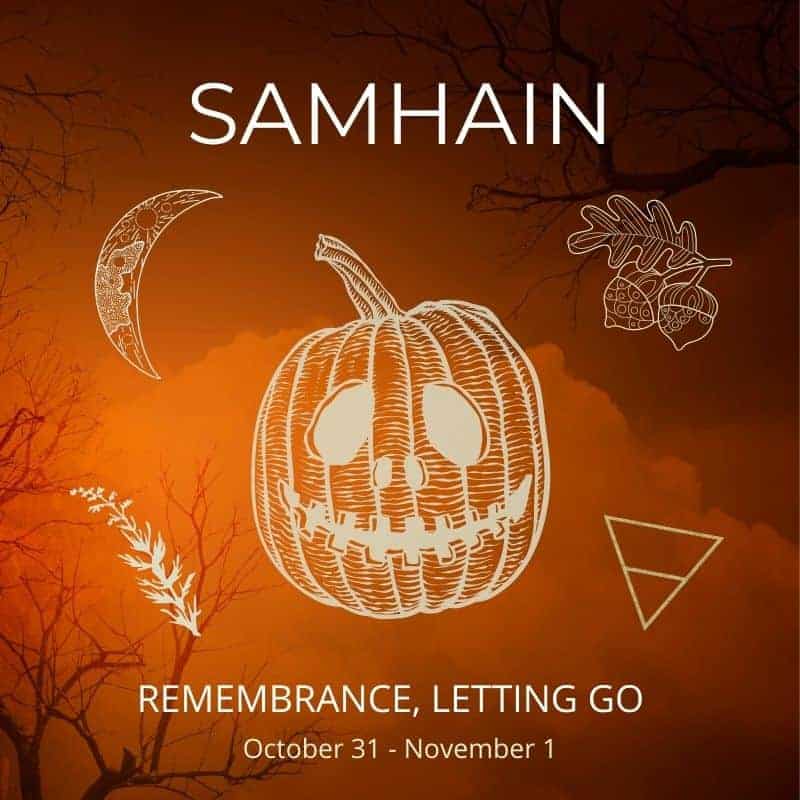
Samhain – usually pronounced sow-een or sow-in – is a cross-quarter festival in the pagan Wheel of the Year that falls between Mabon (autumn equinox) and Yule (winter solstice).

Samhain is an ancient Celtic festival said to have marked the end of summer and the final harvest that has morphed into the modern celebration of Halloween that most of us know today.

Themes & Meanings For Samhain

Samhain is the last harvest festival on the Wheel of the Year after Lughnasadh and Mabon.

Since we almost always get a hard frost just before Samhain, Tracy and I are busy this time of year gathering the last of the herbs from our garden.

Samhain is also a time for the remembrance and honoring of those we loved who have passed on.

It’s also a time when Tracy and I reflect on our ancestors, our heritage, and our place on the Tree of Life.

For some, Samhain begins the new year, and is often nicknamed the “Witches New Year”. For others, Samhain begins seasonal winter – a time of reflection and self-care to prepare for the coming new year.

The themes that Tracy and I reflect on during Samhain are:

Ancestors & Loved Ones Who Are No Longer With Us

Samhain has a long association with remembering the dead, and connecting with ancestors.

The ancient Celts believed that the veil between the world of the living and the realm of the dead was thinnest this time of year, leading to traditions of wearing masks, leaving offerings, and lighting fires to both appease restless spirits and repel them.

Tracy and I place pictures of family members who have passed away on our Samhain altar this time of year. Sometimes, we cook their favorite foods, or simply take a few moments in our day to keep their memory alive.

Our Place On The Tree Of Life

Beyond remembering loved one’s we knew that passed away, we also reflect on our ancestors – the distant, unknowable relatives who’s genes have passed through generations of individuals to shape our bodies, our personalities, and our instincts.

It’s really fascinating to think that hundreds, thousands, and tens of thousands of years ago, there were distinct individuals from who we inherited DNA living day-to-day lives we can barely imagine.

Beyond my human ancestors, I find it fascinating to reflect on my place on the Tree of Life.

The Tree of Life is a model used by biologists to show the relationship of all life on earth. We humans are only one leaf on one branch of a vast phylogenic tree. We share DNA and a planet with all living things.

Self-Care & Drawing Within

Samhain corresponds to the waning crescent moon – a point in the lunar cycle for self-care and drawing inward.

Releasing & Letting Go

Samhain, with its association with death and the afterlife, as well as its position at the waning half of the year, marks another opportunity to release and let go of what no longer serves you.

As the last sabbat before Yule, Samhain is the perfect time for endings.

Perhaps it’s time for you to end a bad habit, or a toxic relationship.

Maybe it’s time to release something that you’ve clung onto, but no longer serves you.

Samhain is the perfect time to work burial, composting, and transmutation into your rituals in preparation for being reborn by Yule.

Facing Our Fears

Halloween is synonymous with spookiness.

If you’re like me, you enjoy curling up on the couch with a hot mulled cider and a scary movie.

While Halloween is all about having fun with ghouls, goblins, and characters from horror movies, Halloween (and Samhain) is a great time to reflect on your fears – and face them.

Do something that gets you out of your comfort zone – or even scares you.

Read about something that gives you the creeps. I’ve faced my arachnophobia by reading several fascinating books on spiders.

Journal and reflect on what scares you about your own goals and life dreams. What “goblins” block the path between your intentions and the manifestation of your dreams?

Correspondences & Setting Up A Samhain Altar

One of the simplest ways to celebrate Samhain is to create a simple altar that features meaningful elements of the season.

Candles: Lighting candles is a great way to bring light into your home as the days grow shorter and the nights grow longer and colder.

My favorite candle colors to use at Samhain are white, orange, black, and purple. Additionally, autumn colors like brown and rust are good.

Crystals & Stones: Labradorite is my favorite crystal to work with during Samhain. Labradorite is said to enhance intuitive and psychic abilities, which make it the perfect stone to work with when the veil is thinnest at Samhain.

Apache Tear Obsidian is another crystal that can be helpful at Samhain – especially while remembering and honoring those who have recently passed. This stone is my go-to to assist with grief and loss.

Petrified wood and other fossils are also wonderful to work with during Samhain. The ancient energy of these objects help connect you to your past, your heritage, and intuit the messages passed through generations from your ancestors.

Additionally, amethyst, black tourmaline, smoky quartz, and obsidian are also favorite stones and crystals to work with at Samhain.

Herbs: Mugwort is my top Samhain herb as it is associated with intuition, divination, and dream work.

Cypress is associated with death, the afterlife, and/or the underworld, so it’s a good plant to use when letting go and releasing, or doing any ancestor work.

I incorporate cypress into Samhain smoke bundles, or diffuse cypress essential oil.

Other herbs to work with during Samhain include any other Artemisias (like Mugwort, wormwood), rosemary, valerian, sage, and catmint.

Oak leaves and acorns are particularly sacred at this time. Acorns represent potential and are the perfect item to work with during any Samhain intentions.

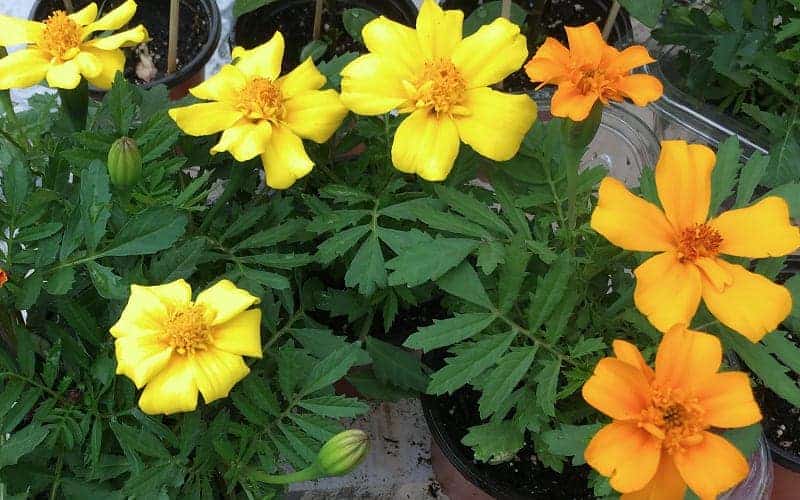
Flowers: Marigolds (tagetes) not only display perfect Samhain colors of dark reds, oranges, and yellows, they also represent death, the afterlife, and are associated with grief across many cultures.

Scents (Incense/Essential Oils): Mugwort, sage, clove, mint, cedar wood, copal, and frankincense.

Foods: Squash & pumpkin, nuts, seeds, apples, pears, cider, and bread

Altar Decor: Pumpkins, acorns, nuts, colorful leaves, bones, and skulls.

Suggested Rituals

You do not need to perform a fancy ritual to “properly” celebrate Samhain.

1) Create An Ancestor Altar

During Samhain, Tracy and I place pictures of loved ones who have passed on our fall altar.

You don’t need to get too elaborate with this, simply placing a few printed images amongst your autumn altar will do the trick. Or you can add some mementos that represent the people you honor.

The purpose of incorporating pictures of ancestors or loved ones who have passed on is to remind you to pause this time of year to reflect on and remember their legacy, and how their legacy and memory may live on within you.

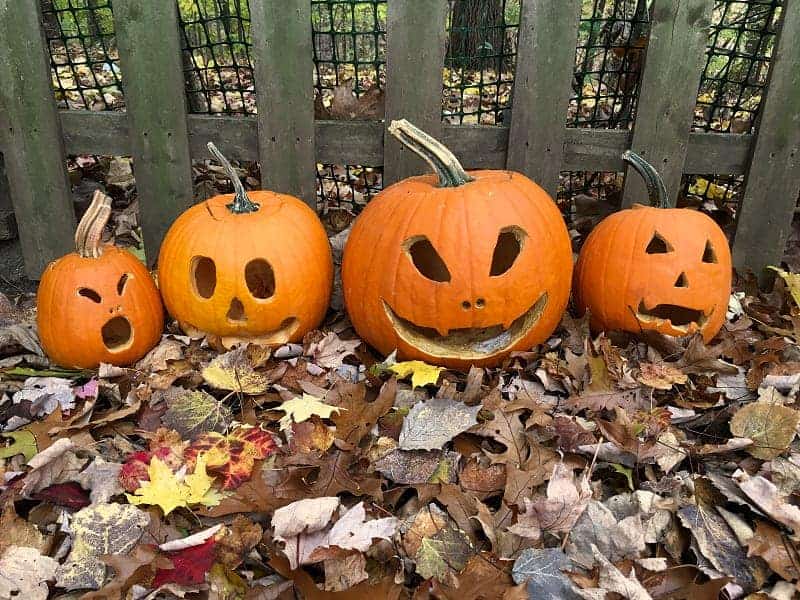
2) Carve A Pumpkin

Carving a pumpkin is a traditional Halloween custom.

Turning a pumpkin into a Jack-o-Lantern can be a fun activity, but you can also inject some mindful, spiritual significance into the practice.

Carve a scary face on a pumpkin and set an intention for it to guard your home from negativity during the upcoming winter months.

You can also carve a face or other symbol that represents something you want to release between now and Yule (the winter solstice).

Set the pumpkin outside on Samhain, and then move it to an area where it can be left to compost. As your pumpkin composts (or is consumed by wild critters), allow the thing you want to be released compost into something new.

3) Stimulate Your Intuition

Divination is a common practice at Samhain, as many believe that communication with ancestors and spirits is easiest at this time of year.

While my own beliefs do not include spirits or telling the future, I regularly use divination tools such as tarot or oracle cards in my spiritual practice.

Take some time to do a tarot or oracle reading. However, don’t reach for the booklet or read up on the meanings of the cards. Just look at the cards without preconceived ideas of what each card means. Just look at the images and try to form your own connections.

Once again, Mugwort is a wonderful herb to work with this time of year. Either use a Mugwort smoke bundle during ritual, cast a circle with a Mugwort wand, sip some Mugwort tea, or dab on some Mugwort oil to absorb the intuition-boosting magickal energy of the plant.

How We Celebrate Mabon – The Autumn Equinox

Posted on August 29, 2022October 8, 2026 By Davy Russell No Comments on How We Celebrate Mabon – The Autumn Equinox
How We Celebrate Mabon – The Autumn Equinox
Nature & Practices

The summer slips away as hints of color begin to splash across the forest.

Animals are busy gathering food to stash away for the winter, and migratory birds are heading south.

The days begin and end with a chill in the air, as my thoughts turn to apple cider, pumpkin picking, and cozy, candlelit evenings sipping my favorite autumn teas.

The Wheel turns and we arrive at Mabon – The Autumn Equinox.

Themes & Meanings For Mabon

At the autumn equinox, day and night are in balance. After this day, the sun rises later and sets earlier, shortening the hours of daylight and lengthening the dark of night.

Mabon ushers in the so-called “dark half of the year” – which will persist through the Winter Solstice until Ostara – The Spring Equinox breaks the spell six months later.

Mabon is also the second harvest festival on the Wheel of the Year between Lughnasadh (August 1) and Samhain (October 31.)

It is sometimes referred to as the “fruit harvest” (vs. the “grain harvest” at Lughnasadh), and “Witches Thanksgiving”.

Modern Druids call the autumn equinox Alban Elfed.

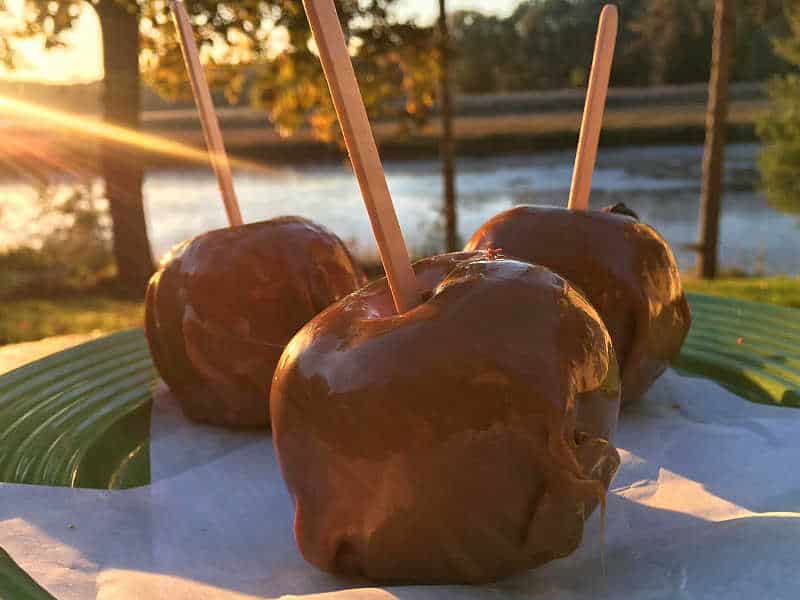
Caramel apples are a sweet way to celebrate the fruit harvest at Mabon.

The themes that Tracy and I reflect on during Mabon are:

Balance

Mabon is the autumn equinox – a day when the hours of daylight and darkness are in balance. Because of this, I like to reflect on balance in my life.

Since the autumn equinox corresponds to the waning half moon, or last quarter, it has a protective energy that encourages setting boundaries, and clearing space.

Clearing Space

As Mabon occurs in the waning half of the solar cycle, it’s a great time to release and let go of what no longer serves you. This can be physical items and clutter, but also beliefs, old narratives, and other mindset junk that needs to be cleared away.

It is often necessary to release something so that you have room to receive. This can sometimes be painful and cause a sense of emptiness or lack.

However, this is a necessary process. Just as the farmer needs to clear space in their barns and silos to store the harvest over the winter, so too do you need to clear space to receive what you wish to harvest.

Gratitude & Thanksgiving

As the second harvest festival on the Wheel of the Year, Mabon is associated with abundance, gratitude, and giving thanks.

Mabon is sometimes referred to as the Witches Thanksgiving.

This is the perfect time of year to host or attend gatherings with friends and family, share a meal of seasonal, local foods, and enjoy the many blessings in your own life.

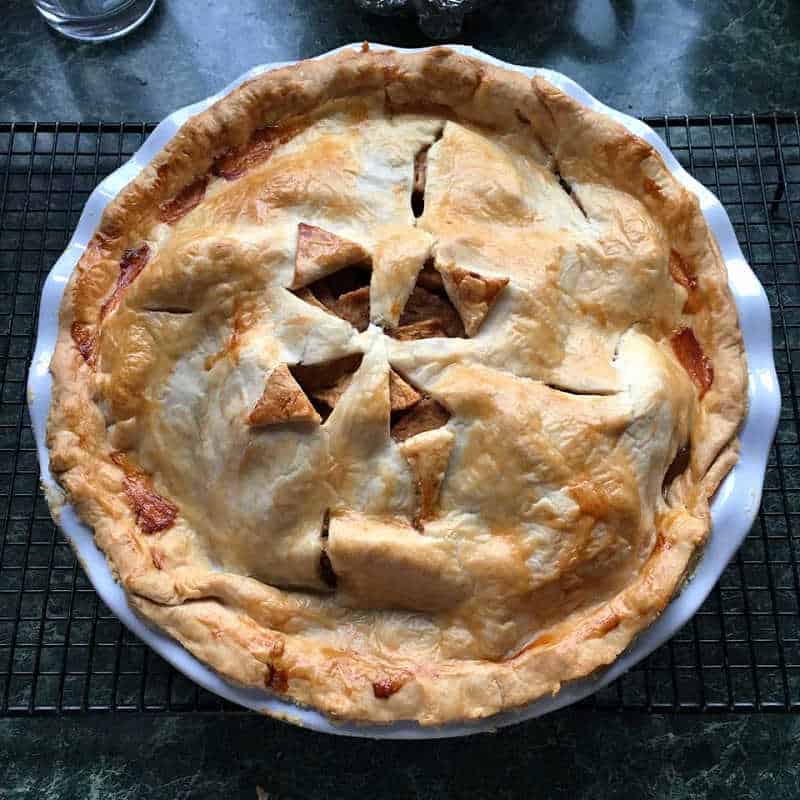
It’s not Mabon without a fresh-baked apple pie

Rest & Self-Care

Autumn begins the busy season for many as summer vacations end, school is in session, preparations for winter are underway, and the holiday season is on the horizon.

But as you prepare to enter a new season, take a cue from nature. Trees are shedding leaves that no longer serve a purpose. Plants are dying back or going dormant. Many animals prepare for hibernation over the cold winter months.

None of this is seen as lazy in the natural world but as a healthy, necessary process in the cycle of life/death/rebirth.

Reflect on the theme of balance this season, but with an emphasis on rest and self-care. Challenge ideas and beliefs that rest is “lazy” or “selfish”. Let nature guide you to what your mind, body, and spirit need to heal and recharge over the coming months.

Mabon Correspondences & Setting Up An Altar

One of the simplest ways to celebrate Mabon is to create an altar that features meaningful elements of the season.

Moon Phase: Mabon corresponds to the Waning Half Moon, a time of balance, setting boundaries, and clearing space to receive.

Colors: My favorite candle colors to use at Mabon include deep reds, maroon, orange, yellow, gold, bronze, copper, and brown.

Crystals & Stones: My go-to Mabon stones include jasper, citrine, tiger’s eye, amber, grape agate, sapphire, lapis lazuli, and topaz.

Black tourmaline, and especially tourmalinated quartz, are my favorite crystals to work with during Mabon as they are grounding and balancing.

Herbs: Sage, cinnamon, mugwort, and clove are my favorite Mabon herbs. Chamomile, yarrow, and hops are also associated with this time of year.

Flowers: Asters, goldenrod, chrysanthemum, marigold, sedum, anemone, sunflower, turtlehead, and helenium are usually in bloom at Mabon.

Scents (Incense/Essential Oils): Cedar, pine, frankincense, clove, cinnamon, sandalwood, apple, nutmeg, pumpkin spice.

Foods: Apple, pear, pumpkin, wheat/grain, bread, grapes, wine, and squashes.

Altar Décor: Dried apples, mini pumpkins, multicolor corn, hay/straw, scarecrows, acorns, colored leaves, late autumn berries, mushrooms, and nuts.

Suggested Mabon Rituals

Here are some simple, quick ideas to help you connect to the season of autumn:

1) Bake (or Buy) Bread

The baking (or eating) of bread is a staple in many pagan festivities. Mabon is no exception.

Bread is one of the best foods to share, and so much symbolism can be baked into any loaf.

Beyond bread, you can bake seasonal foods like cider donuts, apple cinnamon muffins, apple pie, or pumpkin bread.

Yes, gluten-free and box mixes are just fine! Or pick up some of your favorite cider donuts or a loaf of artisan bread at your farmer’s market.

2) Harvest – Go Apple/Pumpkin Picking

Mabon is a harvest festival, but that doesn’t mean that you can’t participate in this aspect of Mabon if you don’t have a large garden.

I absolutely love the farmer’s market this time of year, and I go every weekend to get local apples, apple cider, cider donuts, and just enjoy the autumn ambiance of an autumn farmer’s market bursting with fresh, locally-grown produce.

Additionally, activities like apple picking and pumpkin picking (or buying at the store) are perfect ways to participate in the harvest activities at Mabon.

Less literally, you can reflect on what is ready to harvest in your life right now. What efforts are being rewarded now? How can you reward yourself for all of the hard work you’ve done this past year?

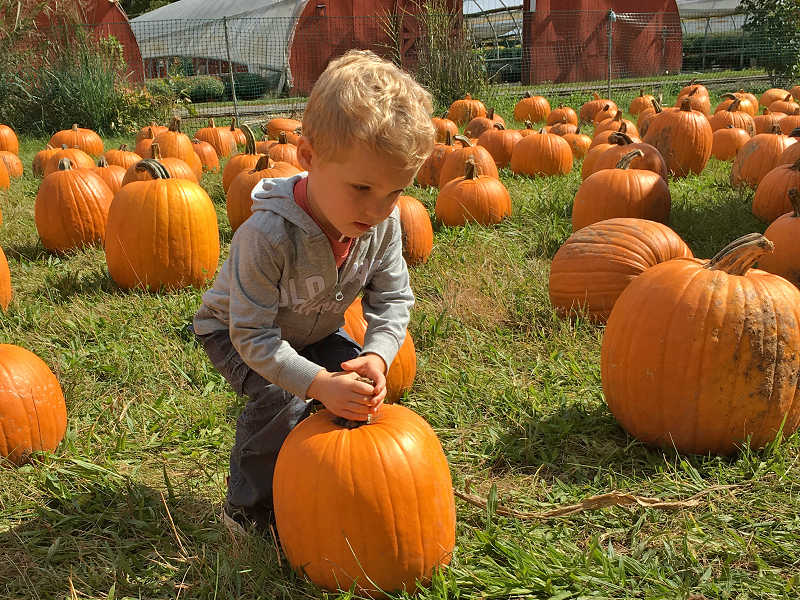
Pumpkin picking is one of our favorite Mabon traditions. We will later carve these pumpkins for our Samhain celebration!

3) Gratitude Meal

Host a gratitude meal at Mabon. Much like a traditional Thanksgiving meal, you can do the same at Mabon.

Whether you lay out a spread of seasonal foods to share with friends and family, or you eat a simple dinner at home, put intention into your meal on this day and eat every bite with gratitude.

4) Prepare For Winter

Mabon may be the beginning of autumn, and one of the most beautiful times of the year, but it also signals that winter is on the way.

Mabon is a good time to refresh protection magick in and around your home, tidy up your altar(s), and take note of the more mundane tasks that need to be done around your home to ensure you stay warm and cozy when the temperatures dip and the snow begins to fall.

5) Mabon Simmer Pot

Craft your own magical brew in a simmer pot that will fill your home with a lovely fall aroma and your magical intentions!

We’ve really gotten into simmer pots lately. Simmer pots are super-easy to do and fill your house with a wonderful (all-natural) aroma of autumn!

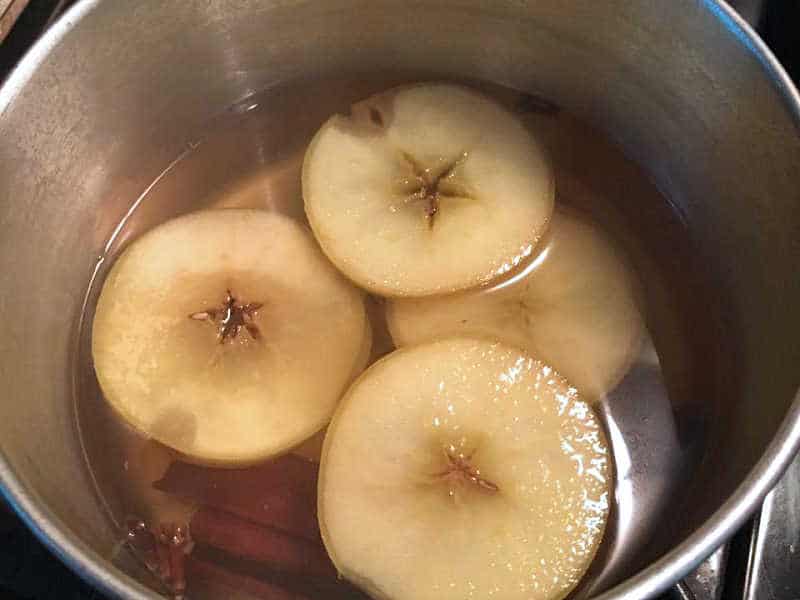
Our favorite Mabon simmer pot includes sliced apples, cinnamon sticks, and clove. You can also add some sage and any other ingredients you want.

Let the simmer pot heat up on low (you can use a pot on a stove, or a Crockpot/Instantpot for this.)

You can reuse (reheat) the simmer pot for up to 2 days, and then dump the (cooled!) ingredients into your compost after.

Put intentions into your simmer pot while you add ingredients. Think of this as your magical witches brew to bring balance, positivity, and protection as you enter the new season.

6) Go On A Mushroom Walk

One of our favorite things to do this time of year is to walk in the woods and appreciate the stunning variety of mushrooms.

I always think of mushrooms as a symbol of Mabon, and autumn. They facilitate decomposition and help break down the old so it can nourish the year.

While the trees above show brilliant colors against the autumn sky, mushrooms and fungi are equally as stunning and diverse.

How do you celebrate Mabon? What ideas inspired you the most.

Take a little time over the next couple weeks to notice the changes happening in the natural world around you. What lessons does nature have for you right now?

Blessed Mabon!

Celebrating Lughnasadh (Lammas) – The First Harvest

Posted on July 22, 2022October 8, 2026 By Davy Russell No Comments on Celebrating Lughnasadh (Lammas) – The First Harvest
Celebrating Lughnasadh (Lammas) – The First Harvest
Nature & Practices

Date: August 1 (Traditional) / August 7 (Astrological date, when Sun is 15° Leo.)

The summer stretches on and the heat of the sun is felt at its most intense.

Despite this, the days grow perceptibly shorter as goldenrod dazzles the fields and forest edges.

By now, the vegetable gardens and farmer’s markets are bursting with produce.

The Wheel turns and we arrive at Lughnasadh (pronounced: Loo-nah-sah), also known as Lammas.

Traditionally celebrated on August 1, Lughnasadh is the mid-point between Litha (The Summer Solstice) and Mabon (The Autumn Equinox).

This holiday is associated with the first harvest, and we reflect on themes like preparation, gratitude, abundance, and crafting.

Themes & Meanings For Lughnasadh

Lughnasadh represents the first harvest, and has traditionally been associated with the wheat harvest and baking of bread.

The themes that Tracy and I reflect on during Lughnasadh are:

First Harvest

A major theme of Lughnasadh is first harvest, or enjoying the “first fruits”.

If you have an herb or vegetable garden, give it a simple gratitude blessing and thank it for the abundance that it has given you this season.

The first harvest doesn’t need to have a literal interpretation, though. You can take this time of the year to reflect on what you can “harvest” in your life.

Reflect on the skills, knowledge, and habits that have rewarded you so far this year. What new year or new moon intentions have come to fruition – or are well on their way?

Take a moment to reflect on the blessings in your life right now. Give thanks for blessing that are on their way to you.

Lughnasadh is a reminder to enjoy the reward of your efforts, and to balance work with pleasure.

Gratitude

Lughnasadh is a harvest festival, and because of that, gratitude is a major theme of this time of year.

This is the point of the year when the Earth is most abundant. Take a cue from nature and check in with your own sense of abundance.

This is a great time of year to challenge narratives and mindset issues around money, abundance, and prosperity.

Start with gratitude, and reframe what abundance means to you. What are you abundant in right now? (There’s more to abundance than just money.)

Crafting & Sharing

Raw materials for herb crafting reach their peak right now as I am inundated with smoke cleaning herbs, tea herbs, grape vines, seeds, flowers – everything that I use in my green witchy practice is ready to be harvested, or already drying on racks. I’m just a couple weeks from harvesting mugwort.

For me, Lughnasadh is a time to let my inner-child out to create and play.

Make space for creativity during the waning summer days. Whether you paint, sculpt, create music, write, take pictures, herbcraft, or practice some delicious kitchen witchery, give your creative side some room to play this time of year!

Clearing Space

Each holiday on the eight-spoke Wheel of the Year corresponds to one of the eight major moon phases. Since Lughnasadh corresponds to the waning gibbous moon, letting go and clearing space is also a theme.

Now is a great time for end of summer cleaning. Donate gently used items to consignment shops. Declutter. Release obligations. Make space for what you wish to harvest in your life right now!

Correspondences & Setting Up A Lughnasadh Altar

One of the simplest ways to celebrate Lughnasadh, is to create a simple altar that features meaningful elements of the season.

Moon Phase: Lughnasadh corresponds to the Waning Gibbous Moon, a time of releasing and clearing space.

Colors: My favorite candle colors to use at Lughnasadh include gold, bronze, light brown, green, red, orange, and yellow.

Crystals & Stones: Any stone associated with prosperity and abundance are perfect to wear or set on an altar for Lughnasadh.

I especially like working with citrine, pyrite, green aventurine, and carnelian.

Herbs: Sage, dill, and fennel are my favorite Lughnasadh herbs, and I like to incorporate them into recipes and baking at this time.

Yarrow and calendula are also associated with the season.

Chamomile is a great way to relax during this time of year.

Make goldenrod tea as a ritual beverage to reflect on the abundance you have now, and the blessings on their way.

Flowers: Goldenrod, helenium, rudbeckia, yarrow, echinacea, sunflower, and summer chrysanthemum.

Scents (Incense/Essential Oils): Frankincense, copal, rosemary, chamomile, and sandalwood.

Foods: Bread is a symbol of Lughnasadh, and can be enjoyed in its many forms.

Summer produce like corn, zucchini, yellow squash, fresh tomatoes, bell peppers, and anything else that is in season at this time is perfect for a Lughnasadh feast.

Altar Decor: Wheat, grains, corn, bread, harvest symbols, cornucopia, berries, and nuts. Create corn dollies or human figures out of corn husks, wheat/grass stalks, or any vegetative material from your garden or yard.

Suggested Rituals

Here are some simple, quick ideas to help you connect to the mid-point between summer and autumn.

1) Bake Bread

Bread is a symbol of Lughnasadh, and as is typical of most pagan festivities, the baking and sharing of bread is often encouraged.

If you can, bake a simple loaf of bread and incorporate any fresh herbs from your garden. If you happen to have ripened sunflower seeds, use those. Or make a delicious zucchini bread from home-grown (or farmer’s market-acquired) produce.

And yes, making a simple batch of corn muffins or corn bread from a box of Jiffy mix is just fine, too! =)

2) Climb A Hill

One of the traditions of Lughnasadh that has survived from ancient times is to make a pilgrimage to the top of a hill. It is believed that gatherings were held on a hilltop to honor the Celtic god Lugh, from which the festival gets its name.

If you are able, an uphill gratitude walk is a fantastic way to honor the obstacles, struggles, and upward momentum you’ve persevered through over the past year. With each step, be grateful for the strength, wisdom, and opportunities that each one presented.

When you reach the top, look around and take in the view. Give thanks for what you’ve achieved or manifested so far.

3) Visit A Farmers Market

Nothing gets me into a grateful, “count my blessings” mood than visiting a local farmer’s market and seeing just how abundant the land around me truly is.

Regularly visiting farmers markets is also an excellent way to keep up with what foods are in season, and to connect to the land around you – even if you don’t have a backyard garden.

Make a point to try a new fruit or vegetable. Support a local farmer or artesian! It’s a simple way to give back to your community and the land.

4) Gratitude Meal

As a harvest festival, Lughnasadh is associated with gratitude.

Invite some close friends or family over for a meal of locally-sourced foods, or in-season ingredients.

Make gratitude the theme of your meal.

5) Set Intentions For the Autumn Season

While it’s still the middle of summer, begin to turn your thoughts to what you want to “harvest” in your life this fall.

What needs just a little more attention and nurturing?

What’s ready to harvest now?

What preparations must be made in the next six weeks to ensure you are set up for the coming autumn and winter months?

Celebrating Ostara: The Spring Equinox

Posted on March 1, 2022October 8, 2026 By Davy Russell No Comments on Celebrating Ostara: The Spring Equinox
Celebrating Ostara: The Spring Equinox
Nature & Practices

Date: Typically between March 19-21

Day and night are equal length for a day or two before the balance tips in favor of spring’s growing light and warmth.

The Earth awakens. Migrating birds return to fill the morning with song. Animals pair up and prepare for the breeding season.

The first flowers begin to poke through the once frozen ground – sometimes even popping up among the early spring snow.

The Wheel turns and we arrive at Ostara: The Spring Equinox.

What Ostara Represents

Ostara is the holiday celebrated at the Spring Equinox.

Modern Druids call this holiday Alban Eilir.

It is a time to reflect on balance as the day and night are of equal length at this time.

Ostara is also associated with fertility, and much of the modern Easter symbolism (eggs, rabbits), are co-opted from earlier pagan myths that feature these symbols.

Keywords: Balance, fertility, birth.

Ostara Correspondences

Moon Phase: Ostara corresponds to the First Quarter Moon, a time of balance, overcoming obstacles, and perseverance.

It also represents fertility and possibility.

Colors: Light green (new growth), yellow (sun), blue, and pastel colors.

Crystals/Stones: Amethyst, rose quartz, green kyanite, amazonite, aquamarine, jasper, serpentine, clear quartz, moonstone.

Herbs: Lemongrass, mint, dandelion, ginger, catnip.

Incense/Essential Oils: Ginger, sage, strawberry, lemon and other citrus.

Other Magickal Earth Items: Seeds, potted plants and bulbs (especially daffodils, tulips, crocuses, and hyacinth), solar symbols, colored eggs, images of rabbits, bumblebees.

Ostara Rituals: How To Celebrate Ostara

Here are a few ways we celebrate Ostara:

Pagan Easter?

Growing up in a Christian household, Easter was celebrate this time of year – complete with colored eggs, egg hunts, and candy-filled Easter baskets.

These symbols (eggs, bunnies, and baskets full of abundance) are all pre-Christian symbols that are associated with rebirth, fertility, and the awakening of spring.

I often light-heartedly refer to Ostara as “pagan Easter”, as celebrating Ostara aligns more truly to the ancient meaning of this time of year – celebrating the return of the growing season.

Dyeing eggs, leaving offerings of carrots or other vegetable scraps to your neighborhood rabbits, and surprising both children and adults with a small basket full of treats (it doesn’t have be be candy!) are all ways to celebrate the season and incorporate familiar traditions that you might have grown up with.

Having a meal with family and friends that incorporate fresh leafy greens, eggs, and seed or sprouted grain bread are also ways to align with the awakening energy of the Ostara season.

Garden Planning & Seed Starting

Ostara is the time when I finally start seeds for my garden.

As an avid gardener, I go all out – setting up my grow lights, cleaning out my pop-up green houses, and planting trays of herbs, flowers, and vegetables.

Depending on where you live, you might have already started your seeds, or if you live further north of me, you may need to hold off another few weeks.

Either way, starting seeds indoors is a much-anticipated annual ritual that helps me cope with the last stretch of wintery weather, and with my own hands, help usher in spring and new life.

Home Purification & Smoke Cleansing

As the temperatures warm and the sun shines brighter and longer, we get the urge to open up the windows and doors and let the fresh breezes of spring flow through.

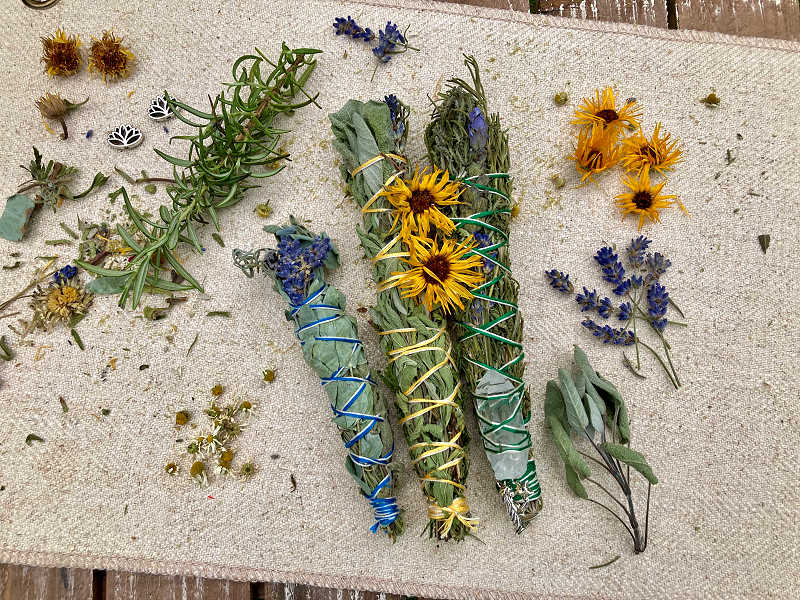
One of my favorite ways to usher in a new season is through smoke cleansing.

After you have done this, open up the doors and windows allow the fresh, spring air to energetically invigorate your space.

Create An Ostara Altar

In addition to green, white, and yellow candles, our Ostara altar also includes dyed eggs, spring flowers such as potted hyacynth, tulips, and daffodils, and some of our favorite green crystals (epidote, serpentine, rainforest rhyolite, jade, green kyanite).

If it resonates with you, incorporate images of rabbits, ducks, songbirds, or other animals that represent spring to you.

Cultivate Balance

The Equinoxes are a time to reflect on balance. With spring, the balance tips toward light, fertility, and growth.

Take some time during Ostara to journal and reflect on where you need to cultivate more balance in your life to facilitate growth and fertile ideas.

Phenology Of Ostara

Phenology is the study of cyclical patterns in the natural world around you, and plays a major role in my own nature-focused spiritual practice.

As I celebrate each holiday on the Wheel Of The Year, I take note of the changes in the environment around me, which helps connect me to the land I live in.

While Ostara marks the official beginning of spring, it can still feel and look like winter. Temperatures still drop below freezing. A major snowstorm is fairly routine this time of year. And I still must wait almost two more months (until mid-May) before I can safely plant anything in the ground due to frost danger.

However, the bitter cold of winter is behind us. The sun feels warmer. It rises earlier and sets later each day.

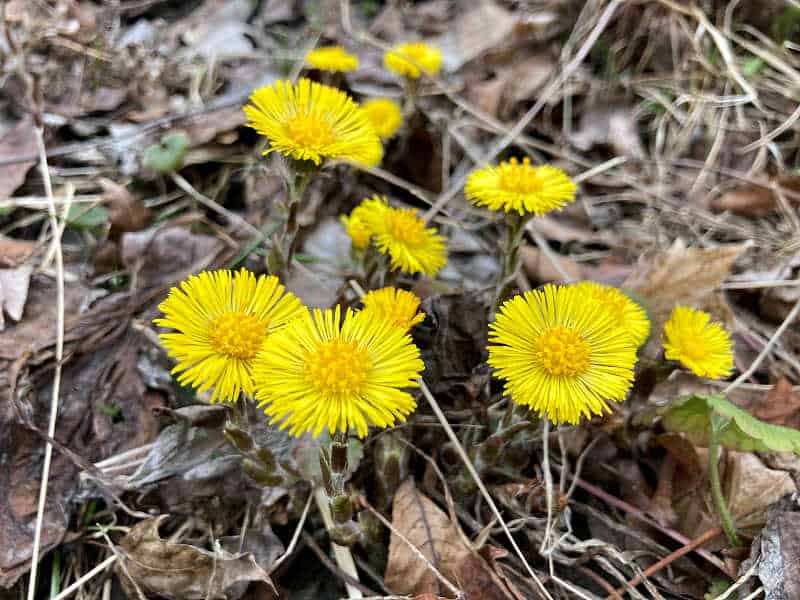
By the end of March, coltsfoot is blooming along the edge of the property. Daffodils, tulips, dandelions, and violets, as well as other spring ephemerals like bloodroot are not far behind.

The river ice has melted, opening up places for migrating ducks and geese rest, find food, and pair up for the spring.

Coltsfoot (Tussilago farfara)- The first wildflower of spring in my yard typically blooms during the last week of March, even while the weather is still cold or snowy.

Imbolc: Season Of Hope

Posted on January 22, 2022October 8, 2026 By Davy Russell No Comments on Imbolc: Season Of Hope
Imbolc: Season Of Hope
Nature & Practices

Date: February 2 (Traditional), February 3 (Astrological).

Although the days grow colder, and the winter winds grow sharper, the days gradually lengthen. The Wheel turns and we arrive at Imbolc.

Imbolc is a fire festival on the pagan Wheel of the Year that is traditionally celebrated on February 1 and 2 – the mid-point between Yule (Winter Solstice) and Ostara (Spring Equinox).

The Astrological date of Imbolc occurs when sun is at 15 degrees Aquarius.

What Imbolc Represents

Imbolc is typically associated with the return of spring.

At this time of year, the days grow perceptibly longer as the sun’s path arcs slightly higher in the sky from where it was at the Winter Solstice.

It’s a time of hope, anticipation, and looking forward to spring and summer – the seasons of growth.

If you’re located in a southern climate, spring IS right around the corner.

For Tracy and I, however, it will be winter for at least a couple more months here in upstate New York.

Imbolc is a time to prepare for growth. It’s a time to connect to the intentions we set at Yule, or the New Moon in Capricorn, and turn those intentions into action as we begin another cycle of expansion and growth.

Keywords: Hope, expectation, preparation, action, hustle, birthing.

Imbolc Correspondences

Moon Phase: Imbolc corresponds to the Waxing Crescent Moon, a time of hope, anticipation, and taking the first steps toward manifestation.

Colors: Light green (new growth), white (purity), as well as the “fire colors” of yellow, orange, and red.

Crystals/Stones: Clear quartz is my go-to stone at Imbolc.

I use the same quartz crystal that caught the first rays of light of the rising sun on the Winter Solstice, as it helps me maintain my clarity of intention as I begin the work of planning and manifestation at Imbolc.

Amethyst, garnet, ruby, and bloodstone are also good crystals to work with at Imbolc.

Herbs: Bay, basil, and rosemary are my favorite Imbolc herbs. You can also use lavender and chamomile at Imbolc.

Coltsfoot is traditionally associated with Imbolc, although where I live, it won’t bloom for at least another month.

Incense/Essential Oils: Cinnamon, frankincense, lavender, vanilla, myrrh, rosemary, and jasmine.

Other Magickal Earth Items: Brigid’s cross, white flowers, cauldron, potted bulbs, seeds.

Imbolc Rituals: How To Celebrate Imbolc

Imbolc is a low-key holiday for Tracy and I since we’re still in the midst of winter in upstate New York, and spring is still months away.

However, we notice that the days have grown slightly longer at this point.

It’s not unusual to get few days of unseasonably warm weather in February, and the stores have begun stocking up on garden supplies, seeds, and spring bulbs.

Here are a few ways we celebrate Imbolc:

Home Purification & Smoke Cleansing

Even though it still IS winter, and the urge to hibernate and slow down are strong, Imbolc gives us a nudge to re-activate our energetic flow.

One of my favorite ways to do this is through home purification and smoke cleansing.

Step 1: Clean and declutter your home (as much as you can).

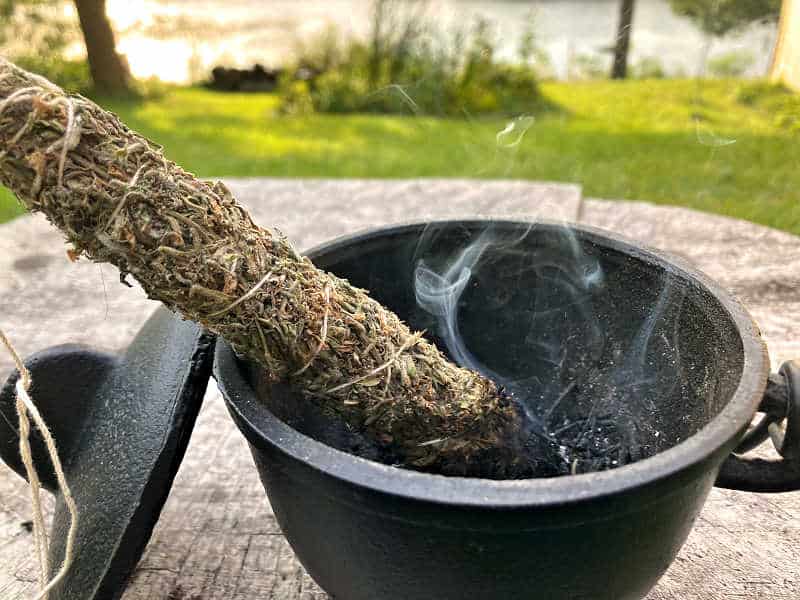
Step 2: Light a smoke cleansing stick (aka “smudge stick”) made with sage and/or cedar and waft the smoke through your home. This helps to break up and move stagnant winter energy.

Light Candles

I light a LOT of candles over the dark winter months. Most evenings, I have at least one candle burning from dinnertime until I go to bed.

Light a red, orange or yellow candle to appreciate and give thanks for the returning sun, the lengthening days, and the coming spring.

Light a green candle if your intention for the coming growing season deals with abundance and prosperity, or something in your life that you wish to grow and expand.

Light a white candle to purify and cleanse your space.

Create An Imbolc Altar

In addition to white, green, and fire-colored candles, we decorate our Imbolc altar with evergreens, sun symbols, white flowers, and potted flower bulbs (hyacinth, amaryllis, etc…).

Set a geode half or a small cauldron on your altar and place a written intention or wish inside. This provides a symbolic place for your intention to incubate and be nurtured until it is fulfilled.

Brigid’s Cross

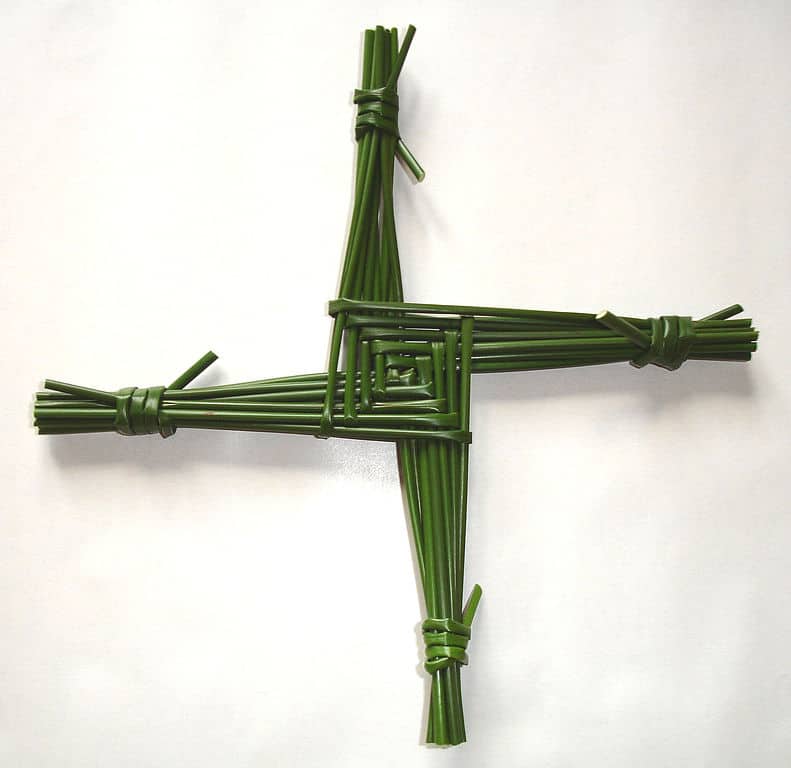
One of the most prominent symbols of Imbolc is the Brigid’s cross.

The Celtic goddess Brigid is associated with the spring season, fertility, healing, and poetry.

A Brigid’s cross is typically made with rushes, but you can make one with any materials you have on hand – even green construction paper.

Place the cross on your altar, or hang it over doorways and entry points to protect your home from negativity.

Photo Credit: Culnacreann, CC BY 3.0, via Wikimedia Commons

Turn Intentions Into Action Steps

Imbolc is a time to shift from intention to hustle. To avoid overwhelm or getting off track, spend some time breaking your big goal/intention into smaller steps.

Write down each milestone, or mini-goal, in your planner or calendar. Don’t forget to choose a way to reward yourself as you reach each milestone.

Phenology

Phenology is the study of cyclical patterns in the natural world around you, and plays a major role in my own nature-focused spiritual practice.

As I celebrate each holiday on the Wheel Of The Year, I take note of the changes in the environment around me, which helps connect me to the land I live in.

Even in my northern, Zone 5 garden, there are stirrings of life – little glimmers of what’s to come (still many weeks away). When I brush away the snow from around my perennials, there are green leaves poking out of the ground.

It’s not uncommon to see certain winter insects this time of year, like the Winter Dark Firefly, or winter stoneflies perched on sunny sides of trees.

Massive winter flocks of starlings and crows mingle along the river outside my window, and hawks are never far away – swooping in to catch a meal when they can.

While I begin to gather my seed starting supplies and browse seed catalogs, I still must wait to plant for another month-and-a-half.

Patience is also a theme that resonates with me at Imbolc.

Celebrating Yule – The Winter Solstice

Posted on November 8, 2021October 8, 2026 By Davy Russell 2 Comments on Celebrating Yule – The Winter Solstice
Celebrating Yule – The Winter Solstice
Nature & Practices

Dates: 2024: December 21

The days grow shorter, and the nights grow longer. Winter gains strength. The Wheel turns and we arrive at Yule – the Winter Solstice. The shortest day of the year.

Yule is a 12-day period of reflection and celebration that begins at the winter solstice and continues through the end of the calendar year (December 31st).

Yule is the oldest pagan festivals, from which most Christmas customs derive.

What Yule Represents

Yule celebrates the return of the sun.

The Winter Solstice is the shortest day of the year. At this point of the year, the sun is at its lowest point in the horizon at noon, and the period of daylight is at its shortest.

Each day after the winter solstice, the days will grow gradually longer as the sun’s path arcs higher and higher in the sky.

Yule is a time for celebrating light, gift-giving, gathering with family and friends, and celebrating the “rebirth” of the sun.

Personally, Tracy and I reflect on the end of the previous year, and prepare for the start of a new year and a new cycle.

For us and our practice, Yule marks the first spoke (or beginning) of the pagan Wheel of the Year (although some witches and pagans consider Samhain to be the beginning of the year).

Keywords: Hope, expectation, joy, peace, gathering, family, rebirth, renewal, light.

Yule Correspondences

Moon Phase: Yule corresponds to the New Moon, a time to set intentions and make new starts.

Element: Earth

Colors: Red, green, gold, silver, blue, and white are all colors to use for candles and decorations this time of year.

Crystals/Stones: Clear quartz, snow quartz, obsidian, citrine, orange calcite, fire agate, fire opal, pyrite, and red jasper are my favorite crystals to put out and work with this time of year.

Black moonstone is another crystal that I work with during each new moon, but also at Yule. Black moonstone is a crystal of intention, hope, manifestation, and new beginnings.

Herbs: Peppermint, cinnamon, clove, and ginger are the herbs I work with at Yule – especially in cooking, teas, and other herb-crafts.

Incense/Essential Oils: Fir, pine, cedar, juniper, cedarwood, peppermint, cinnamon, clove, and orange.

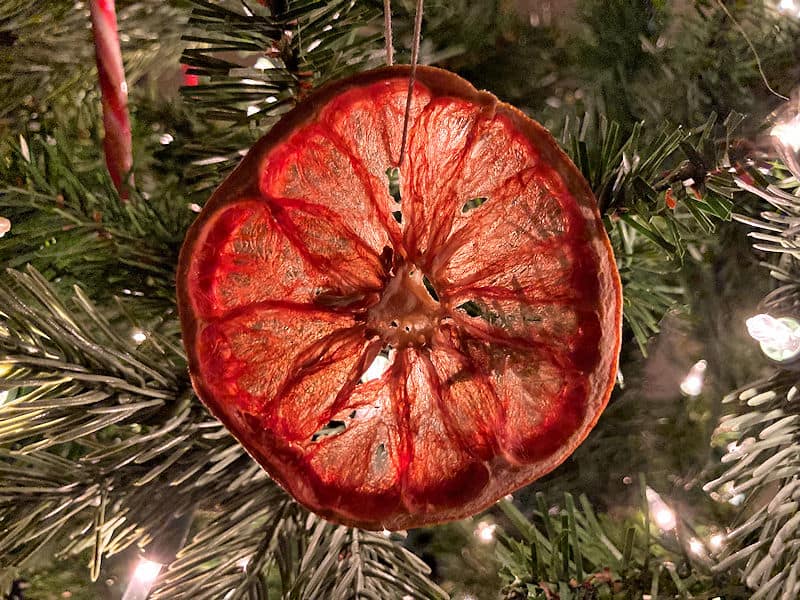
Other Magickal Earth Items: Evergreen boughs, pine cones, holly leaves/berries, ice/snow, yule log, poinsettia, reindeer, citrus fruits.

Yule Rituals: How To Celebrate Yule

Tracy and I still celebrate Christmas on December 25, as that is the holiday we grew up with.

For us, Christmas is more of a secular, cultural holiday than a religious one – and we have no problem with immersing ourselves in the festivities of the holiday season.

Besides, many of the holiday symbols and customs we associate with Christmas today were borrowed from much earlier, pagan practices.

We have incorporated a few of our own spiritual, mindful practices during the Yule season.

Create A Yule Altar

In addition to our Christmas tree and decorations, we set up a Yule altar.

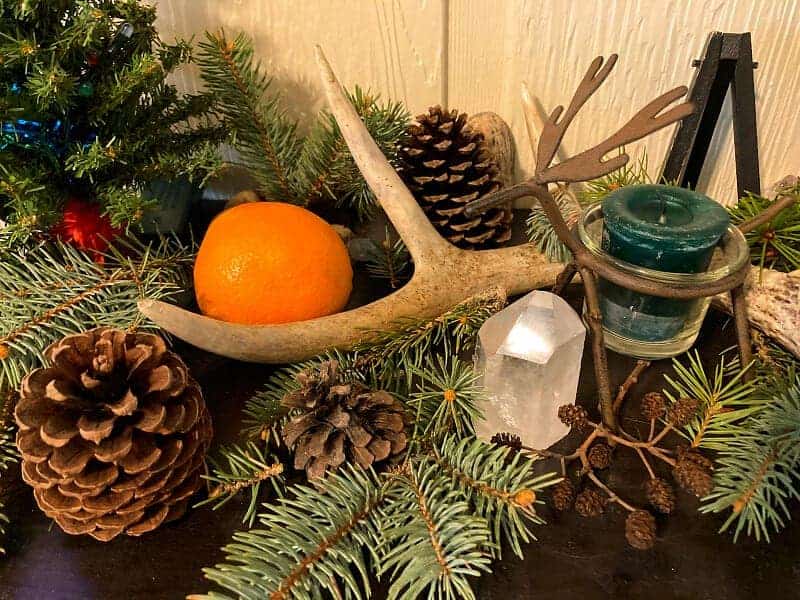
Our altar includes red, green, and white candles, a deer antler, a mini, artificial Christmas tree, evergreen boughs (Douglas fir, cedar, juniper, pine), pine cones, sprigs of holly, and crystals that correspond to Yule.

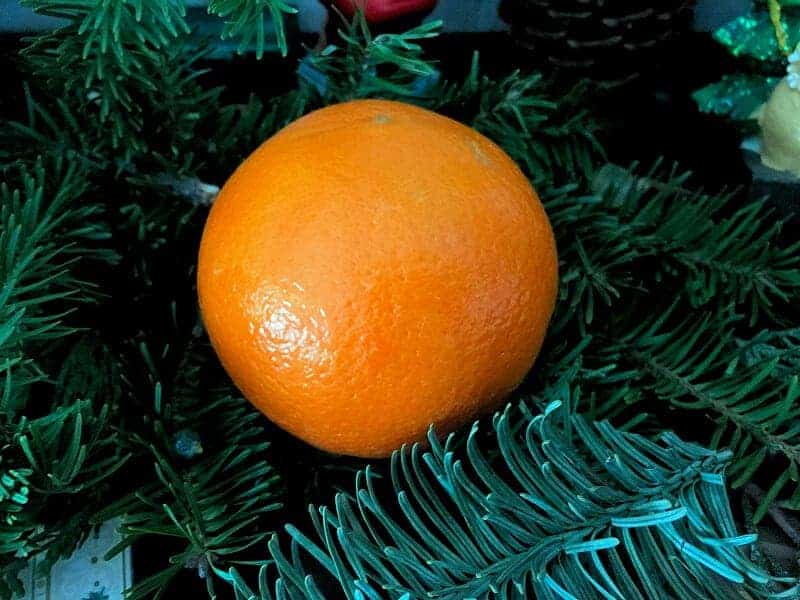
We also place solar symbols on our altar at Yule. I usually place a fresh orange (representing the sun) on top of a holly leaf as a nod to the story of the Oak King defeating the Holly King at the solstice, ushering in the new year and the strengthening sun.

An orange placed on top of a holly leaf symbolizes the rebirth of the sun, and the mythological rebirth of the Oak King upon the defeat of the Holly King.

Decorating For Yule

Evergreen boughs, garland, and wreaths are perfect Yule decorations, as well as sprigs of holly and mistletoe.

A Christmas (or Yule) tree is the centerpiece of our home at this time of year.

Because the nights are long, we light a lot of candles – particularly white, but red and green are also favorite colors.

Craft A Yule Log

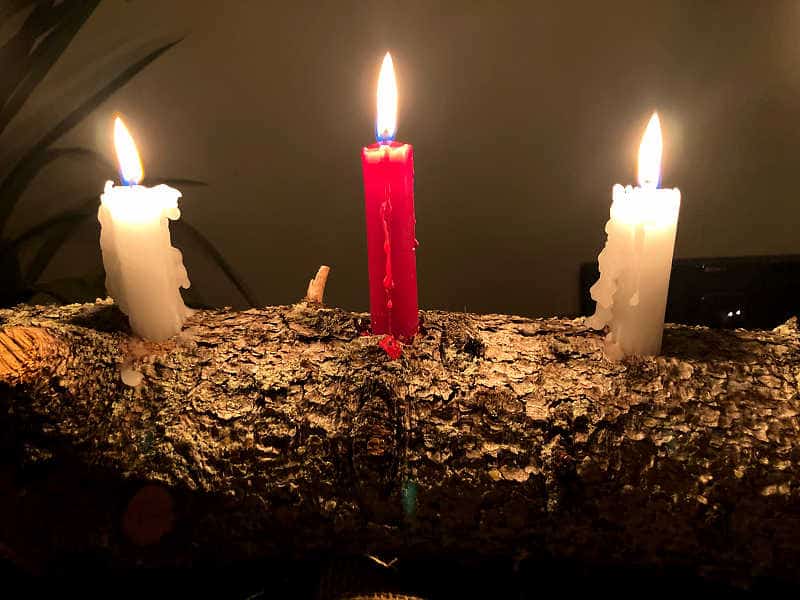
There are two approaches to enjoying a Yule Log, and that depends on whether or not you have a wood-burning fireplace. If you do, simply pick a log that “calls to you” and burn it on the Solstice.

You can burn a specific type of wood that corresponds with your intentions for the Yule season and new year.

For those of us who do not have a wood-burning fireplace, then the next best thing is to forage for a log of workable size, and drill holes in it to stick candles into.

This year, we used a piece of cut spruce from a tree that blew down in our yard during a windstorm over the summer. I didn’t have a large enough drill to fit the diameter of a taper candle, so I drilled a bunch of smaller holes to create large ones.

Traditionally, red (for the Holly King), green (for the Oak King), and white (for the cold) candles are used. However, you can use other colors that suit the meanings or intentions that you set during the Yule season. For example, yellow or gold can represent the returning sun.

In our case, on-going pandemic supply chain issues meant that we had to settle for just white and red candles this year.

Solstice Crystal Ritual

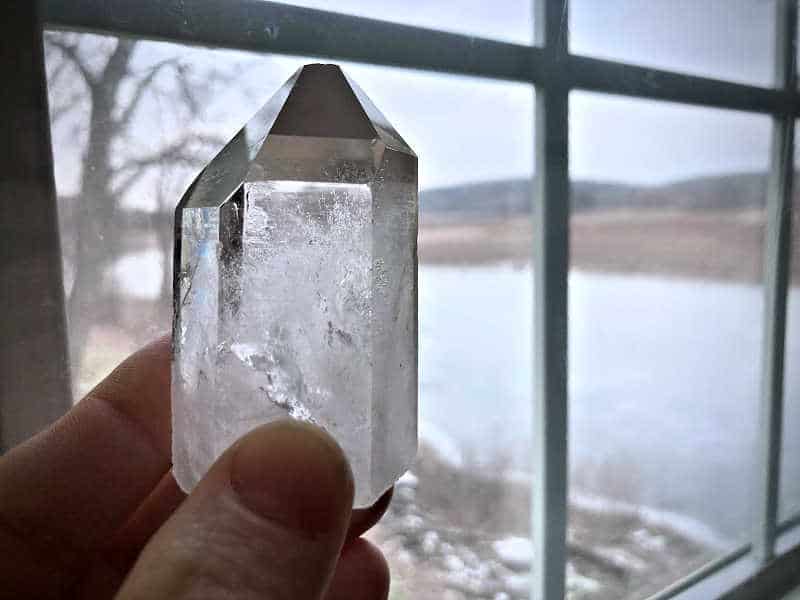
On the night before the Winter Solstice, I place a clear quartz crystal on the windowsill of our East-facing window. As the sun rises on the solstice, the crystal catches the very first rays of light from the reborn sun.

I then use this crystal for intention work during the Yule season.

Brew A Simmer Pot

You can brew a simmer pot any time of year, but there is no better way to fill your home with the aroma of Yule than to fill a small crock pot or pan with fruits and spices!

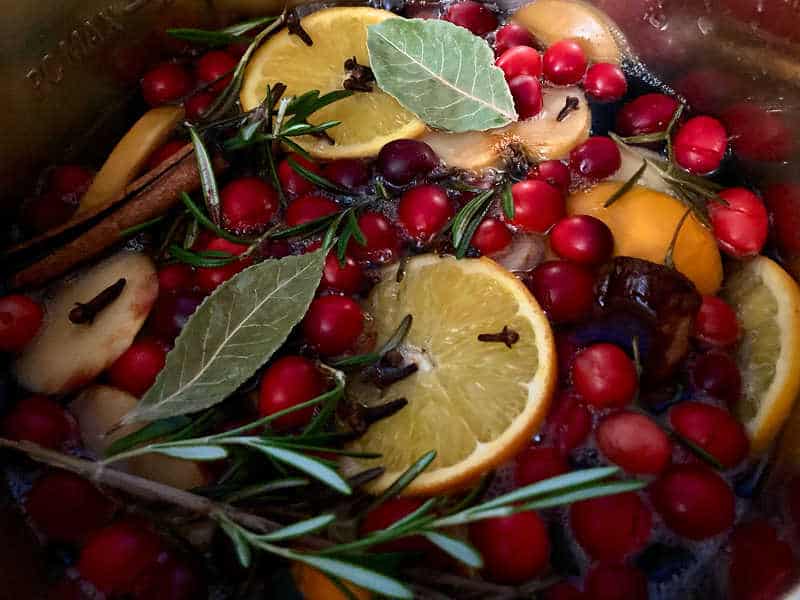
We made a simmer pot with oranges, apples, cranberries, rosemary, cinnamon sticks, cloves, and bay leaves.

Set intentions as you place ingredients into the pot. For example, oranges represent the returning sun. Cinnamon adds power to your intentions. Cranberries represent abundance, courage, and action. Bay leaves are often burned at new moons and to make wishes. Cloves are a healing herb that offers safety and protection.

Simply fill a pot with water and simmer under low heat for as long as you’d like. You can reheat the simmer pot up to 3 days.

Set Intentions For The New Year

Most of us do this during the New Year holiday anyways, but I view the Winter Solstice as the start of the new year since it’s the beginning of a new solar cycle.

Yule is the time to set intentions for the coming year. It’s a great time to commit or re-commit to a goal, or change in your life.

Be sure to write these intentions down (on paper or bay leaves) and either burn them, or place them inside a bottle, box, or cauldron (with lid) with manifestation crystals like clear quartz, pyrite, citrine, green aventurine, or green chert.

Giving

Yule is a season of giving. If you are able, exchange gifts with family and friends, but be sure to also remember those who are less fortunate.

Tracy and I always donate to the local food bank and place toys in the Toys For Tots bin.

Gathering

Yule (and the adjacent holidays) are a time to gather with family and friends for food, fun, and catching up.

Make Solstice Candles

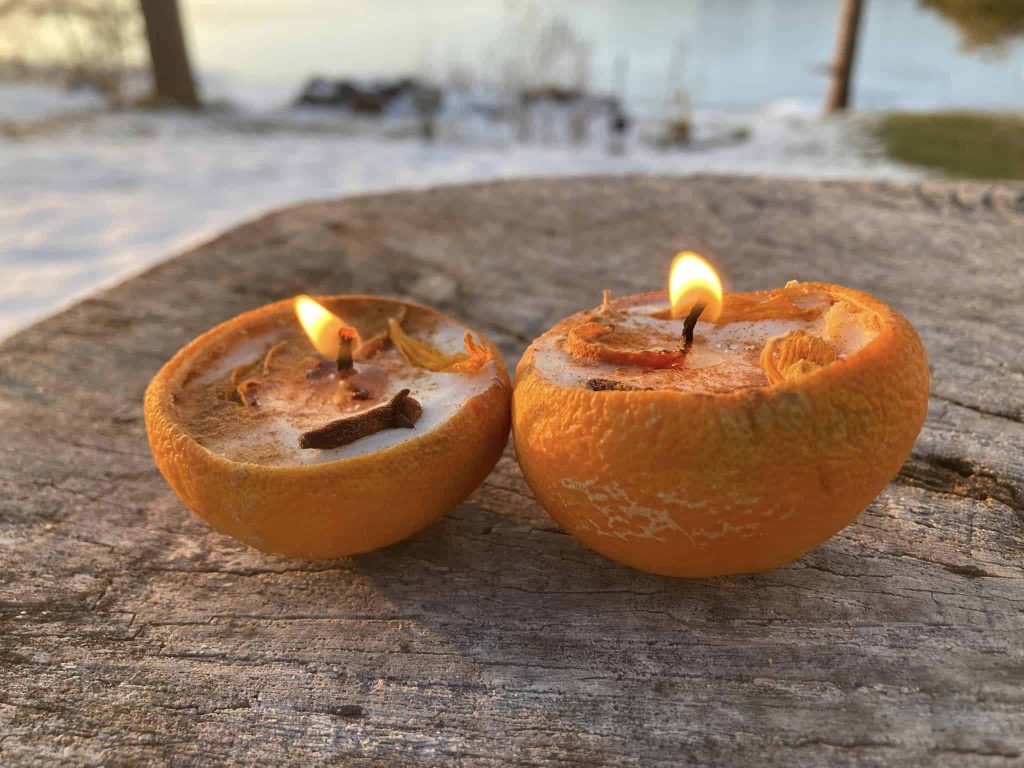
Tracy and I like to make simple Solstice candles that we put intentions into and burn on the Winter Solstice.

You can burn them at sunrise on the day of the solstice. Or you can light them in the evening at sunset. Or anytime that is more convenient for you.

Don’t get hung up on making the ritual “perfect” or “correct”. Simply lighting this candle at any time and reflecting on your intentions for the coming year is more than enough.

To make the candle:

1 – Cut an orange in half and carefully scoop out the fruit, leaving only the peel.

2 – Pour a small quantity of candle wax almost to the top of the orange half. Be sure the orange half is supported so that it doesn’t tip and spill the wax as you pour it. Place a wick in the center.

If you do not have candle-making supplies, you can use a tealight or the end nub of a taper candle.

3 – Sprinkle some cinnamon, place a clove bud, and/or add any other herbs/crystals you wish to add to support your Solstice intentions.

4 – When the wax has hardened, simply light the candle and let it burn until it extinguishes itself. (Be sure to practice fire safety, keep away from children/pets, and burn in a heat-safe, fireproof container within sight.)

Phenology

Phenology is the study of cyclical patterns in the natural world around you. As I celebrate each holiday on the Wheel Of The Year, I take note of the changes in the environment around me.

What flowers (if any) are blooming at Yule? What birds or other animals are active? What time does the sun rise and set? What are the temperatures? Take note of what is happening outside your window!

While no flowers are blooming in our frozen, sometimes snow-covered garden this time of year, migratory ducks and geese are active on the river outside our home. We frequently see bald eagles hunting.

Celebrating Litha: The Summer Solstice

Posted on June 11, 2021October 8, 2026 By Davy Russell No Comments on Celebrating Litha: The Summer Solstice
Celebrating Litha: The Summer Solstice
Nature & Practices

Date: June 21, 2022

The days are long, the sun is hot, the garden full, and nature buzzes with constant activity.

It’s the Summer Solstice – symbolizing fulfillment, abundance, life, energy, and blessings.

Often celebrated as Litha, or Midsummer, the Summer Solstice is one of the eight sabbats on the pagan Wheel of the Year.

Themes & Meanings For Litha

Litha marks the longest day of the year, where the sun is at its strongest, and nature fully alive and active.

The promise of Imbolc (February 2nd) is finally fulfilled as we bask in long days, warmth, and plenty.

The themes that Tracy and I reflect on during Litha are:

Fulfillment

It’s a good time of year to check in with what makes us feel fulfilled.

Is your hard work paying off? Do you feel fulfilled? Are you enjoying the journey?

Summertime beckons for us to be present and enjoy life, so if something is preventing you from feeling fulfilled and joyful, it’s time to do a gut check and make some course corrections.

Gratitude

We often associate gratitude – or thanksgiving – with the late summer and autumn sabbats of Lughnasadh and Mabon.

However, the Summer Solstice is the perfect time to sit back and take in all of the lush beauty of summer – the flowers, the fragrant herbs growing in your garden, the sunlight glinting on the water – take it all in and be thankful for everything you have – no matter how small or insignificant it might be.

Joy & Happiness

Another theme of Litha is joy and happiness.

Summer is often a joyful time, and while current events in the world, or your present life circumstances, might make it difficult to be joyful, it is possible to find bits of joy and peace if you embrace the present moment.

What truly makes you happy? What brings you joy? What are the most important things in your life?

Write these down and take time to truly appreciate them.

Better yet, give yourself permission to spend more time doing things you enjoy, and work toward balance between work and play.

Nurturing Our Dreams

Winter is a time for planning and intentions setting, and we start putting things in motion during the spring.

The summer is a time to tend to and nurture what we want to grow in our lives.

It’s time to balance self-care and rejuvenating play time with the hard work and dedication that it takes to continue the work of fulfilling what we want to manifest in our lives.

Just as the farmer or gardener waters, prunes, and protects their crops, so too must we protect, grow, and nurture our self-growth and positive, forward direction.

Correspondences & Setting Up A Litha Altar

One of the simplest ways to honor the Summer Solstice, or to celebrate Litha, is to create a simple altar that features meaningful elements of the season.

Moon Phase: Litha corresponds to the Full Moon, a time of celebration, joy, gratitude, and reflection.

Candles: Lighting candles is a great way to bring that fiery, solar energy into your home – especially during Litha rituals performed indoors, or if it is cloudy or rainy on the solstice.

My favorite candle colors to use on the Summer Solstice are gold, yellow, orange, and green.

Crystals & Stones: Any stone associated with prosperity, joy, and happiness or luck are good stones of wear, carry, or decorate with during Litha.

Citrine, orange calcite, and pyrite all are associated with prosperity, abundance, and joy.

Both fire agate and fire opal represent the fiery energy of the sun, as is tigers eye.

Green stones like emerald, green aventurine, jade, and green kyanite all represent the abundant, green energy of the Earth.

Amber, a fossilized resin, is a good stone to work with at Litha to reflect on ancestors, and how past cycles lead us to where we are now.

Herbs: By the Summer Solstice, both calendula and chamomile are blooming in my garden.

Calendula flowers can be brewed in a tea and have a host of health benefits.

Chamomile helps you relax – use it to take a time out during the summer to enjoy life.

Other herbs I use or work with during Litha include mint (especially lemon balm), lemon verbena, lavender, and St. John’s Wort (Hypericum perforatum).

Calendula is a wonderful herb to work with at Litha.

Flowers: Besides flowering herbs like chamomile and calendula, roses and daisies are in full bloom in my yard and garden at this time, and so I like to incorporate them into my Litha decor and rituals.

Scents (Incense/Essential Oils): Lemon (any citrus), sage, pine, lavender, cedar, and frankincense.

Foods: Early summer fruits and vegetables, herbs, iced tea.

My favorite Litha tea is made from two cups of packed lemon balm leaves steeped in two quarts of hot water for 15 minutes, then allowed to chill.

Altar Decor: Roses, yellow and orange flowers (calendula, marigolds, rudbeckia, sunflowers), berries, yellow discs or other solar images/symbols, oak leaves and holly leaves (representing the cyclical battle between the mythological Oak King and the Holly King.

Suggested Rituals

You do not need to perform a fancy ritual to “properly” celebrate Litha, or the Summer Solstice.

Here are some simple, quick ideas to help you connect to the Longest Day.

1) Visit A Farmer’s Market

Visiting a local farmer’s market is an excellent way to connect with the beginning of summer – especially if you do not have your own garden.

Be sure to pick up some early summer fruits and vegetables, and gather some ideas and inspiration for a midsummer, locally-sourced meal.

2) Harvest Some Herbs (& Cook With Them or Brew Tea)

If you have an herb garden, pick some of the herbs and cook with them, or brew tea.

I now have a tradition of making a big batch of lemon balm iced tea for the summer solstice.

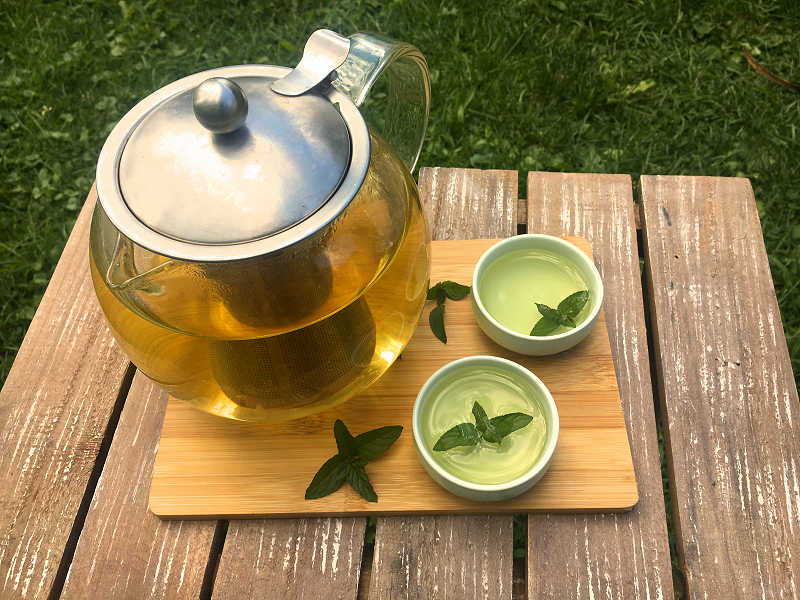
I grow, brew, and drink my own teas all summer long. My favorites are peppermint/chocolate mint, apple mint, lemongrass, lemon verbena, and lemon thyme.

If coffee (or espresso) is more your thing, you can make a floral-infused coffee or latte using ingredients in from your herb garden.

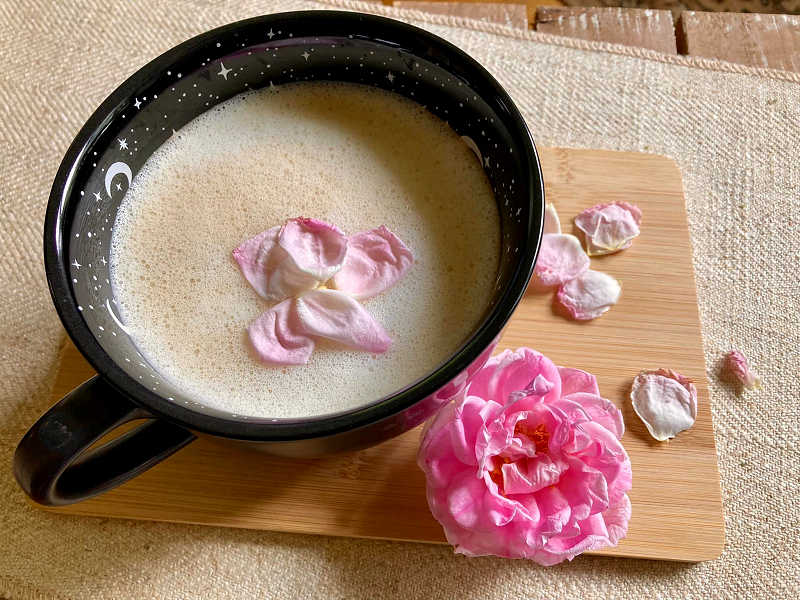
Tracy and I made a delightful rose petal-infused latte by simmering freshly picked rose petals from our rose bush in oat milk.

I heated the oat milk and kept it warm/hot (not boiling) for about 10 minutes to allow the rose petals to infuse into it.

Using a milk frother, froth the the hot oat milk (you can use any milk for this) until light and foamy.

Pour a shot of espresso (or strongly brewed coffee) into your cup, then slowly pour in the oat milk.

Sip and enjoy, outside by the garden, if you can.

Rose petal latte.

3) Journal

The simple act of cracking open a journal and checking in with yourself can bring about a lot of clarity, calm, and focus on what you need to release, embrace, and shift in your life.

Ask yourself the questions I posted earlier in this article.

4) Take a Gratitude Walk

Litha is about counting your blessings and enjoying abundance (not just financial abundance, but an abundance of anything – love, flowers, iced tea, etc…).

Take a walk through your neighborhood or local park, or if you’re feeling ambitious, go on a hike. Be sure to list off all the things you’re grateful for while you walk.

5) Sit Outside & Take In The Sights, Sounds, Smells

One of the themes of Litha is nurturing and growing what you want to manifest in your life, but it’s also important to balance hard work with self-care and play.

If you are able, go camping. Take a trip. Take a day or two off to do nothing but read by a lake, or play.

Or simply carve out a few minutes here and there throughout the day to step outside and pause. Find out what’s blooming in your yard or neighborhood.

Put down your phone (or leave it inside), and just be present and observant – and take a moment to simply appreciate being alive.

Recent Posts

  • New Moon In Libra
  • The Ultimate Guide To Working With Moon Phases
  • Honoring The Four Elements: Earth, Air, Fire, Water
  • The Wheel Of The Year
  • Beltane: How We Celebrate & Simple Rituals

Recent Comments

  1. Davy Russell on Celebrating Yule – The Winter Solstice
  2. Terez on Celebrating Yule – The Winter Solstice
  3. Ashley on The Ultimate Guide To Working With Moon Phases
  4. Alex on The Ultimate Guide To Working With Moon Phases

Archives

  • October 2026
  • February 2024
  • January 2024
  • December 2023
  • April 2023
  • October 2022
  • August 2022
  • July 2022
  • March 2022
  • January 2022
  • November 2021
  • June 2021
  • April 2020

Categories

  • Divination
  • Nature & Practices

Copyright © 2026 Catskills Hearth.

Theme: Oceanly Green by ScriptsTown